Liberty Safe is a familiar name among home gun safes, and most of what a buyer needs to know about it sits in how the company explains ratings and supports owners, not in a model name.
This page is built on Liberty’s own published material, and one limit should be stated up front: the Liberty items covered here are limited to a small key vault and a humidity accessory, with no full-size Liberty gun safe. So this page does not compare Liberty series model by model, and it does not guess at specifications it cannot cite.
What it does cover is the framework you will use on any Liberty spec sheet: what its burglary ratings mean, how it describes fire testing, who stands behind the labels, and what ownership looks like for locks, batteries, anchoring and moving. Liberty is one brand among several, and its claims are read here the same way as anyone else’s.
- Liberty’s own pages separate burglary standards (RSC under UL 1037, TL classes under UL 687) from fire testing, and so should you. [1]
- Liberty says fire certification in safes is not regulated, so ask which lab rated the model. [2]
- Register the safe: Liberty will not give out combinations for unregistered safes. [3]
- The listings reviewed hold no full-size Liberty safe, so check each Liberty model page for its stated ratings.
How Liberty explains burglary ratings
Liberty’s ratings guide says the burglary ratings it uses are verified by Underwriters Laboratories. [4] It describes RSC Level I as a five-minute attack from a single technician using tools like pry bars, screwdrivers, adjustable wrenches and hammers not exceeding 3 lbs, and notes the clock stops when tools are not in contact with the safe. [5] RSC level 2 is described as an attack by two people, using more tools, for 10 minutes. [4]
It describes TL-15 as a higher class: the safe resists entry for a net working time of 15 minutes when attacked on the door with common hand tools, picking tools and portable electric tools. [5] Liberty also explains that TL-15, TL-30 and the X6 versions belong to the UL 687 family, while RSC categories belong to UL 1037. [1] Those are different standards, so a safe labeled RSC is not the same product as one labeled TL-15.
For a buyer, the useful questions are plain. Which standard, which level, and does the model’s own page name it? A Liberty page that says nothing about a level is telling you the safe has no stated rating, even if its steel is thick.
How Liberty describes fire testing, and whose claim it is
Liberty says fire certification in safes is not regulated, and describes its own approach: its guidelines came from a full-scale house fire study, and its tests ramp up to 1200 degrees within ten minutes. [2] [6] That is Liberty’s account of its own tests and its view of competitors, which is why it matters whether a rating names a third-party lab.
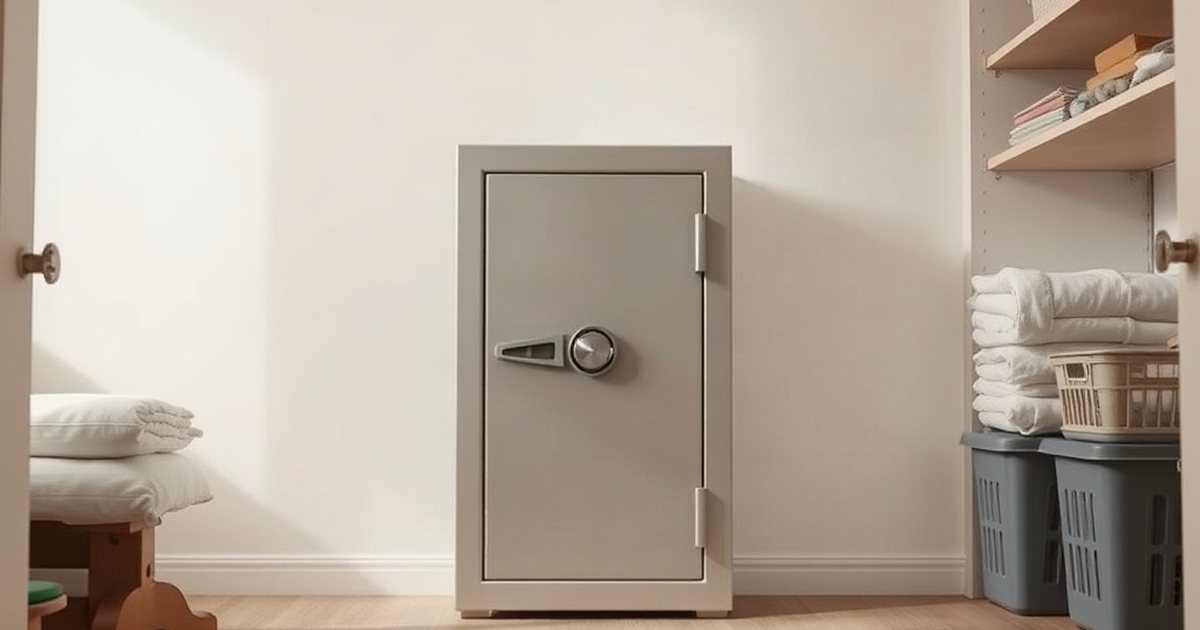
Liberty’s ratings pages describe the fire classes by what they protect: Class 350 protects paper documents by keeping the interior below 350, and Class 150 protects photographic film, tapes and other media by keeping it below 150. [5]
The same page calls both UL and ETL, a division of Intertek, leading Nationally Recognized Testing Laboratories. [5] A separate Liberty explainer says burglary resistance and fire resistance are typically evaluated under different standards and labels. [1]
Read any Liberty fire figure with three questions: which class, which lab, and whether the figure applies to the exact model on the page. Liberty itself puts the stakes in context: it cites FEMA as estimating over 354,000 residential building fires per year in the US. [7]
The Liberty items in the listings
The Liberty-branded items in the listings are small. The Liberty Safe HDV-50 Key Vault describes 16 gauge steel, a key-operated lock, a security cable and a design that fits under vehicle seats, in a desk drawer, on a nightstand or on a closet shelf while accommodating standard handguns. It also calls itself TSA-compatible. It names no burglary or fire rating, and a key vault is only as secure as the place its key lives.
The Eva-Dry dehumidifier made for Liberty safes describes itself as renewable and wireless. Liberty’s own Dry Rod is described separately: it operates at a surface temperature of approximately 100-120 degrees Fahrenheit, and Liberty recommends mounting it horizontally at the bottom of the safe. [8] The humidity band Liberty gives for a gun safe is 40% to 50%. [9]
Ownership: locks, batteries and recovery
Liberty recommends replacing the battery in its electronic lock annually even if the old one seems to work, and says you are not permanently locked out if the battery dies. [10] It says you can change the combination on an electronic lock, while a mechanical lock needs a certified locksmith, and its page adds that one type of lock must be changed by an authorized dealer or licensed locksmith. [11]
Lock recovery runs through the company. Liberty says its policy is not to give out combinations or keys for safes that have not been registered, and that owners complete a notarized form and pay by card or check, after which the combination arrives in three to five business days. [3] That is a good reason to register a safe when you buy it.
It is also the model for how recovery should work: through the maker, with proof of ownership, never through a way around the lock.
Reading a Liberty model page
When you open a specific Liberty model page, compare what it says against the framework above instead of the series name. The questions below take two minutes and tell you more than a capacity badge does.
- Burglary: does the page state an RSC level or a TL class, and under which standard? If it names neither, treat the safe as unrated. [1] [4]
- Fire: does the page give a class, a lab and a time, or only a time? Compare with how Liberty itself describes testing. [2]
- Steel and bolts: is a gauge or a thickness stated? Lower gauge numbers mean thicker steel. [12]
- Lock: electronic or mechanical, and what does the maker say about batteries and recovery? [10]
- Registration: is there a registration step, and who keeps the paperwork? [3]
Weight, anchoring and where a Liberty safe goes
Liberty’s guidance on moving says some of its safes may weigh up to 3,100 pounds, that a loaded gun safe can weigh well over a thousand pounds, and that its first recommendation is not to move one yourself. [13] If you do, you will need a hand truck or dolly that can hold at least 800 pounds. [13] The moving guide on this site goes through the steps.
Liberty also says you should always anchor your safe to the floor, notes that you cannot anchor to a tile floor, and points out that prying a door is typically much easier if a safe is tipped on its back. [14] Anchoring is part of the security, not an accessory.
Who each kind of Liberty rating suits
Match the rating language Liberty publishes to the threat.
- Children and guests: any locked, anchored safe that stays locked. The key vault listing names no theft rating, and no safe replaces supervision.
- Casual burglary: look for a stated RSC level on the model page and read it as a five-minute or ten-minute test. [4]
- Determined burglary: TL-15 and higher belong to a different standard family, UL 687. [1]
- Fire: ask for the class and the lab, not just a time. Liberty describes Class 350 as protecting paper documents and Class 150 as protecting photographic film, tapes and other media. [5]
FAQ
What does an RSC rating mean on a Liberty safe?
Liberty describes RSC Level I as a five-minute attack by one technician with hand tools like pry bars and hammers, and level 2 as ten minutes by two people with more tools. [5] [4]
How do I recover a forgotten Liberty combination?
Through the maker. Liberty says to complete a notarized form and pay, and it provides the combination in three to five business days for registered safes. [3]
How often should I replace a Liberty safe battery?
Liberty recommends annually, even if the battery seems to work. [10]
Is the Liberty HDV-50 a gun safe?
It is a small key vault listed for standard handguns and valuables, not a theft-rated or fire-rated safe, and it does not replace supervision.
Ratings describe laboratory tests, not every real burglary or fire, and a safe does not replace supervision of children. Storage laws vary by state; this is general information, not legal advice.
Sources
- Why UL Ratings & Testing Matter: How to Read Safe Labels. Liberty Safe, accessed 2026-10-13
- Will My Gun Safe Work in a Real House Fire?. Liberty Safe, accessed 2026-10-13
- I Forgot My Lock Combination. Liberty Safe, accessed 2026-10-13
- What Do Gun Safe Ratings Mean? How Do You Choose a Gun Safe?. Liberty Safe, accessed 2026-10-13
- Understanding UL and ETL Ratings for Your Home Safe. Liberty Safe, accessed 2026-10-13
- Fire Testing Gun Safes. Liberty Safe, accessed 2026-10-13
- Fire Protection: A Primary Reason to Own a Good Safe. Liberty Safe, accessed 2026-10-13
- Dry Rod Dehumidifier. Liberty Safe, accessed 2026-10-13
- Protect Your Investment: A Complete Guide to Preventing Firearm Rust and Humidity Damage. Liberty Safe, accessed 2026-10-13
- How to Change Your Gun Safe Battery: A Complete Guide. Liberty Safe, accessed 2026-10-13
- Can I Change the Combination on My Gun Safe Lock. Liberty Safe, accessed 2026-10-13
- Mild Steel Gauge Thickness Chart. RMFG, accessed 2026-10-13
- Tips for Moving a Gun Safe on Your Own. Liberty Safe, accessed 2026-10-13
- Anchoring Your Gun Safe to the Floor. Liberty Safe, accessed 2026-10-13
Fire, burglary and lock ratings are quoted as the manufacturer or testing lab states them, with the source on each page. Safe-storage and child-access laws vary by state and change; check your state's current statute. No safe or lock replaces supervision of children around firearms. We do not sell or link to firearms or ammunition. This is general information, not legal advice. As an Amazon Associate we earn from qualifying purchases.
