Texas gun storage laws center on one criminal statute, Texas Penal Code section 46.13, titled Making a Firearm Accessible to a Child. In Texas, the offense turns on whether a child gains access to a readily dischargeable firearm and the person acted with criminal negligence in how the firearm was kept. [1]
This guide covers what the Texas statute says, who it protects, how the text describes securing a firearm, the penalty classes, and what two Texas appellate decisions show. It describes the statute as of October 2026, and no effective date is stated here. This is general information, not legal advice.
- Texas Penal Code 46.13 covers a child, defined as a person younger than 17, who gains access to a loaded firearm through a person’s criminal negligence. [1]
- The Texas offense is a Class C misdemeanor, or a Class A misdemeanor if the child discharges the firearm and causes death or serious bodily injury. [1]
- The Texas text gives a locked container or a trigger lock as examples of reasonable steps, not an exclusive list. [2]
- In a 2023 civil appeal, a Texas appellate court affirmed a trial court order and concluded that any failure to secure a firearm merely created a condition that may have enabled someone to steal it. [3]
What the Texas law says
Texas Penal Code 46.13 says a person commits an offense if a child gains access to a readily dischargeable firearm and the person, with criminal negligence, failed to secure the firearm or left the firearm in a place to which the person knew or should have known the child would gain access. [1]
The offense therefore has two linked parts in Texas. A child must actually gain access, and the person must have acted with criminal negligence by one of the two routes the text names: failing to secure the firearm, or leaving it where access by a child was known or should have been known. [1]
The statute is a criminal one, and no effective date is stated here. The text of the section is stated as of October 2026, and the statute can be amended, so the current official text is the authority. [2]
Who the Texas statute covers
For this section, the Texas text defines a child as a person younger than 17 years of age. [1] RAND notes that the age threshold varies by state, and a person who is 17 is outside this Texas definition. [4]
The statute also limits the type of firearm. Texas defines a readily dischargeable firearm as a firearm that is loaded with ammunition, whether or not a round is in the chamber. [1] An unloaded firearm falls outside that definition.
Texas also sets a mental-state requirement. The text speaks of criminal negligence, and it includes the phrase “knew or should have known” in describing where the firearm was left. [1] The statute describes conduct and a result together: the person’s negligence in storage and a child’s access.
What counts as securing a firearm in Texas
The Texas statute describes the steps expected of a person in terms of a reasonable person. The statute refers to taking steps that a reasonable person would take to prevent access to a readily dischargeable firearm by a child, including but not limited to placing a firearm in a locked container or temporarily rendering the firearm inoperable by a trigger lock or other means. [2]
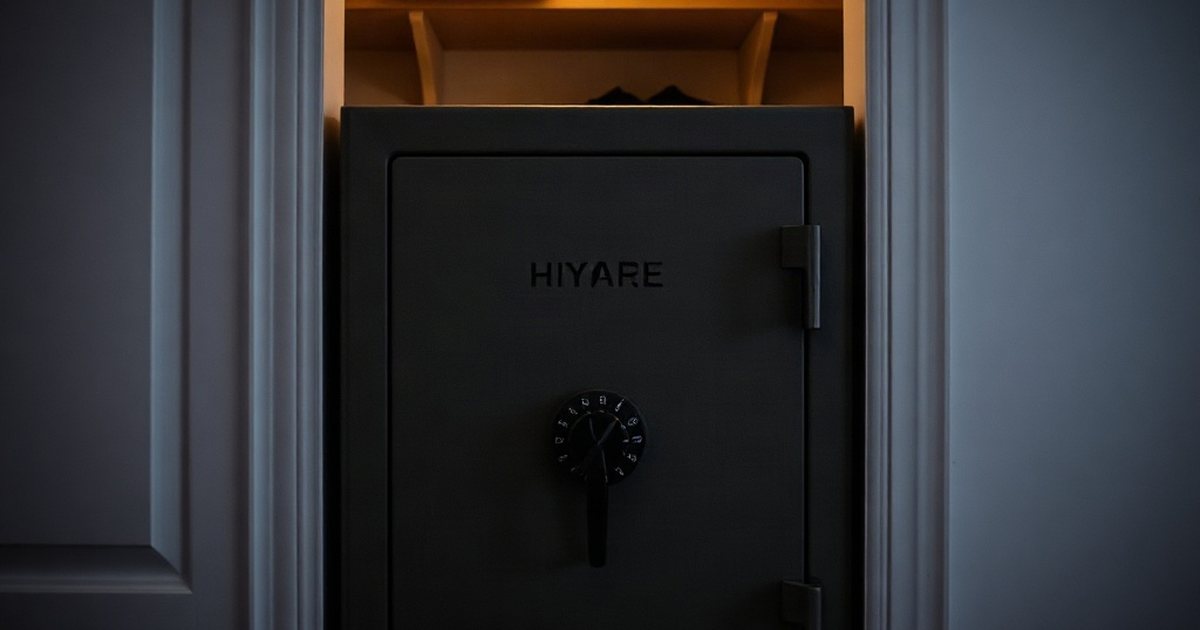
Two points stand out in that language. The list is not exclusive, because the words “including but not limited to” leave room for other measures, and the standard is a reasonable-person standard, not a specific device. [2]
The section’s text also includes a provision about access that was supervised by a person older than 18 years of age and was for hunting, sporting, or other lawful purposes. [1] How that provision operates is a question for the full statute text or a Texas lawyer.
Penalties under Texas Penal Code 46.13
The ordinary offense is a Class C misdemeanor in Texas, subject to an exception in the section. [1] No fine amount or jail term for these classes is stated in this guide.
The exception raises the class. Texas makes the offense a Class A misdemeanor if the child discharges the firearm and causes death or serious bodily injury to himself or another person. [1]
The statute also includes a notice requirement for sellers. In Texas, a dealer of firearms shall post a conspicuous sign on the premises where business is conducted, with a warning in block letters not less than one inch in height. [5]
How Texas courts have applied storage questions
Two Texas appellate decisions are discussed here, and they address different questions. One is a criminal appeal under the statute. The other is a civil appeal that does not recognize a negligent-storage claim.
Pittman v. State (Tex. App.-Austin, 1999)
David Alan Pittman v. State was decided in 1999 by the Texas Court of Appeals, Third District. The opinion states that the appellant pleaded nolo contendere to the offense of making a firearm accessible to a child. [6]
The opinion describes the appellant as having kept loaded firearms and some kitchen items on a shelf in his bedroom, which was adjacent to the kitchen. It also says he admitted owning the firearm that had discharged and other firearms in the mobile home, none of which were secured. [6]
The court overruled the appellant’s issue and affirmed the conviction and sentence. [6]
Johnson v. Walker (Tex. App.-Beaumont, 2023)
Johnson v. Walker was decided by the Texas Court of Appeals, Ninth District, in 2023. The opinion’s list of conduct at issue includes Walker leaving a loaded gun in his unlocked pickup truck. [3]
The opinion contains the statement that Texas does not recognize a cause of action for negligent storage of a firearm, which the sourced text does not attribute to the court itself. [3] It also repeated the general rule that a person has no legal duty to protect another from the criminal acts of a third person. [3]
The court concluded that any failure by Walker to secure his firearm merely created a condition that may have enabled someone to steal the gun. It overruled the appellants’ issues and affirmed the trial court’s order. [3] This was a civil case.
What this means for choosing storage
The Texas statute’s own wording names a locked container and a trigger lock or other means of rendering a firearm temporarily inoperable as examples of reasonable steps. [2] The Texas Comptroller’s tax guidance separately lists a gun lock box, gun safe, barrel lock and trigger lock among firearm safety equipment that is tax free. [7]
That tax guidance is about sales and use tax, and it does not decide what satisfies the criminal statute. No storage product satisfies a statute by itself; the question in Texas turns on whether a child gained access and whether the person was criminally negligent. [1]
There is also a gap between what the statute asks and what keeps an older child from a firearm. Texas defines a child as younger than 17, while the Harvard Means Matter project states that access to firearms is a risk factor for suicide and that firearms used in youth suicide usually belong to a parent. [1] [8]
For context across states, RAND counts Texas among the states with negligent-storage laws, and notes that state laws vary on penalty class and the age threshold for a minor. [9] [4] Rules in this guide are Texas rules only.
FAQ
What is the Texas gun storage law?
Texas Penal Code 46.13, Making a Firearm Accessible to a Child. It applies when a child gains access to a readily dischargeable firearm and the person, with criminal negligence, failed to secure it or left it where the child would be known or should have been known to gain access. [1]
Who counts as a child under the Texas statute?
The Texas text defines a child as a person younger than 17 years of age. [1]
What does readily dischargeable mean in Texas?
It means a firearm that is loaded with ammunition, whether or not a round is in the chamber. [1]
What is the penalty under Texas Penal Code 46.13?
The offense is a Class C misdemeanor, and a Class A misdemeanor if the child discharges the firearm and causes death or serious bodily injury to himself or another person. [1]
Can a person be sued in Texas for negligent firearm storage?
In Johnson v. Walker, a 2023 Texas Court of Appeals decision about a loaded gun left in an unlocked pickup truck, the court affirmed the trial court’s order and concluded that any failure to secure the firearm merely created a condition that may have enabled someone to steal it. The opinion also contains the statement that Texas does not recognize a cause of action for negligent storage of a firearm. [3] That is one decision on its own facts, so a lawyer can advise on a specific situation.
This is general information, not legal advice. Statutes change and facts matter, so read the current text of Texas Penal Code 46.13 or ask a Texas lawyer about your own situation. A lock or container controls access but does not replace supervision.
Sources
- Tex. Penal Code 46.13 Making a Firearm Accessible to a Child (full text). Texas Penal Code (Texas.Public.Law mirror of the official text), accessed 2026-10-13
- Texas Penal Code 46.13 – Making a Firearm Accessible to a Child (statute text via Texas.Public.Law mirror). Texas.Public.Law (mirror of the Texas Penal Code), accessed 2026-10-13
- Tosha Johnson and Jack Lee Johnson v. Joe Michael Walker, Texas Court of Appeals, 9th District (2023). Texas Court of Appeals, Ninth District (Beaumont), accessed 2026-10-13
- The Effects of Child-Access Prevention Laws. RAND Corporation (Gun Policy in America), accessed 2026-10-13
- Texas Penal Code 46.13(g) – dealer sign requirement. Public.Law (Open Law Library) reproduction of the statute (Texas.Public.Law), accessed 2026-10-13
- David Alan Pittman v. State, Texas Court of Appeals, Third District (1999). Texas Court of Appeals, Third District (Austin), accessed 2026-10-13
- Texas Sales and Use Tax FAQ – Firearm Safety Equipment. Texas Comptroller of Public Accounts, accessed 2026-10-13
- Safe Storage (Means Matter). Harvard T.H. Chan School of Public Health, Means Matter, accessed 2026-10-13
- The Effects of Child-Access Prevention Laws (state lists). RAND Corporation (Gun Policy in America); host blocks scripted fetches (403), page loads in a browser, accessed 2026-10-13
Fire, burglary and lock ratings are quoted as the manufacturer or testing lab states them, with the source on each page. Safe-storage and child-access laws vary by state and change; check your state's current statute. No safe or lock replaces supervision of children around firearms. We do not sell or link to firearms or ammunition. This is general information, not legal advice. As an Amazon Associate we earn from qualifying purchases.
