California has more than one storage rule, and they work differently. Penal Code 25100 is the criminal storage statute for firearms that a child is likely to reach, and a separate residence rule covers firearms kept at home. In the text cited here, the residence rule begins on January 1, 2026, and it is written around a certified firearm safety device or a secure gun safe. [1]
This guide covers what the California statutes say, who they reach, what counts as secure storage, the exceptions, the penalty tiers, and the one sourced California appellate decision, which involves a loaded rifle in a home closet. It describes the statute text as of October 2026. This is general information, not legal advice.
- California Penal Code 25100 covers a firearm negligently stored where the person knows or reasonably should know a child is likely to gain access, and a child means a person under 18. [2] [3]
- California Penal Code 25145 defines secure storage as a certified firearm safety device or a secure gun safe, and the residence rule begins on January 1, 2026. [1]
- California’s quoted exceptions include secure storage, a firearm carried or readily controlled, and a child’s access through an illegal entry. [4]
- California criminal storage has three degrees, from a misdemeanor up to a first-degree tier with a fine not exceeding $10,000. [5]
What California’s criminal storage law says
California Penal Code 25100 is titled criminal storage of a firearm. It applies when a person keeps any firearm within premises under the person’s custody or control and negligently stores or leaves it in a location where the person knows, or reasonably should know, that a child is likely to gain access without permission from the child’s parent or legal guardian. [2]
This version says that it becomes operative on January 1, 2026. [2] A second text of the section, from FindLaw, uses the same knowledge wording: the person knows or reasonably should know that a child is likely to gain access to the firearm. [6]
California’s text also describes a result element. In one place the statute refers to a child who obtains access to the firearm and thereby causes death or great bodily injury to the child or any other person. [2] This guide does not assign each element to a particular degree of the offense.
Who California’s storage statutes cover
For the firearm storage division, California defines a child as a person under 18 years of age. [3] California’s standard for safety devices points the same way: the Attorney General is directed to develop a minimum safety standard for firearm safety devices and gun safes to significantly reduce the risk of firearm-related injuries to children 17 years of age and younger. [7]
The knowledge test is the phrase “knows or reasonably should know.” Under the California text, the standard is not limited to what the person actually knew; it also reaches what the person reasonably should know. [2]
The residence rule in Penal Code 25145
Penal Code 25145 is broader in one respect. It says that beginning on January 1, 2026, a person shall ensure that any firearm the person possesses in a residence is securely stored whenever the firearm is not being carried or readily controlled by the person or another lawful authorized user. [1]
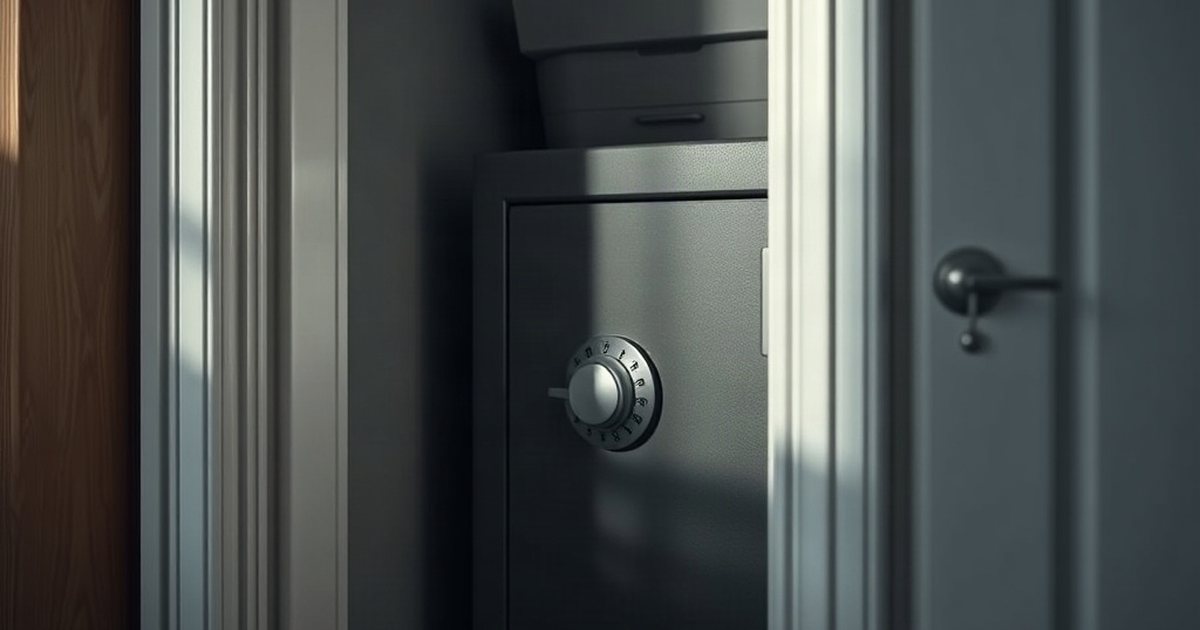
Unlike Penal Code 25100, the residence rule does not mention a child. Its trigger is a firearm in a residence that is not being carried or readily controlled. [1] California also has a related provision, Penal Code 25135, about a firearm in a residence with a prohibited person, and it refers to a firearm that is securely stored as defined in Section 25145. [8]
Vehicles and off-premises carrying
California Penal Code 25140 deals with a handgun left in an unattended vehicle. It says the handgun shall be locked in the vehicle’s trunk, in a locked container placed out of plain view, in a locked container permanently affixed to the vehicle’s interior and not in plain view, or in a locked toolbox or utility box. The text adds that a locked container does not include the utility or glove compartment of a motor vehicle. [9]
A separate section, Penal Code 25200, addresses a different outcome: a child or a prohibited person who obtains access to a stored firearm and thereafter carries it off-premises. [10]
What counts as secure storage in California
California Penal Code 25145 supplies the definition that other sections borrow. A firearm is securely stored if it is maintained within, locked by, or disabled using a certified firearm safety device or a secure gun safe. [1]
A secure gun safe, in the same section, means a gun safe that meets the standards for gun safes adopted under Penal Code 23650. [1]
The sales rules show how those words are used elsewhere. California’s sale provision says a firearm sale shall include or be accompanied by a firearm safety device listed on the Department of Justice’s roster of approved firearm safety devices. [11] One alternative in that provision is that the purchaser or transferee owns a gun safe that meets the standards in Section 23650. [11]
The same section includes a warning text for a gun safe that does not meet the standards of Penal Code 23650. [11] An advocacy summary from the Giffords Law Center describes the 2026 change in similar terms, saying that beginning January 1, 2026, a firearm is considered securely stored when kept within, locked by, or disabled using a California Department of Justice-certified firearm safety device or a secure gun safe. [12] The statute text above is the primary source for that definition.
Exceptions and defenses in California
Penal Code 25105 lists exceptions to the criminal storage offense. They include the case where the firearm is securely stored as defined in Section 25145, and the case where the firearm is carried or readily controlled by the lawful owner or another lawful authorized user. [4]
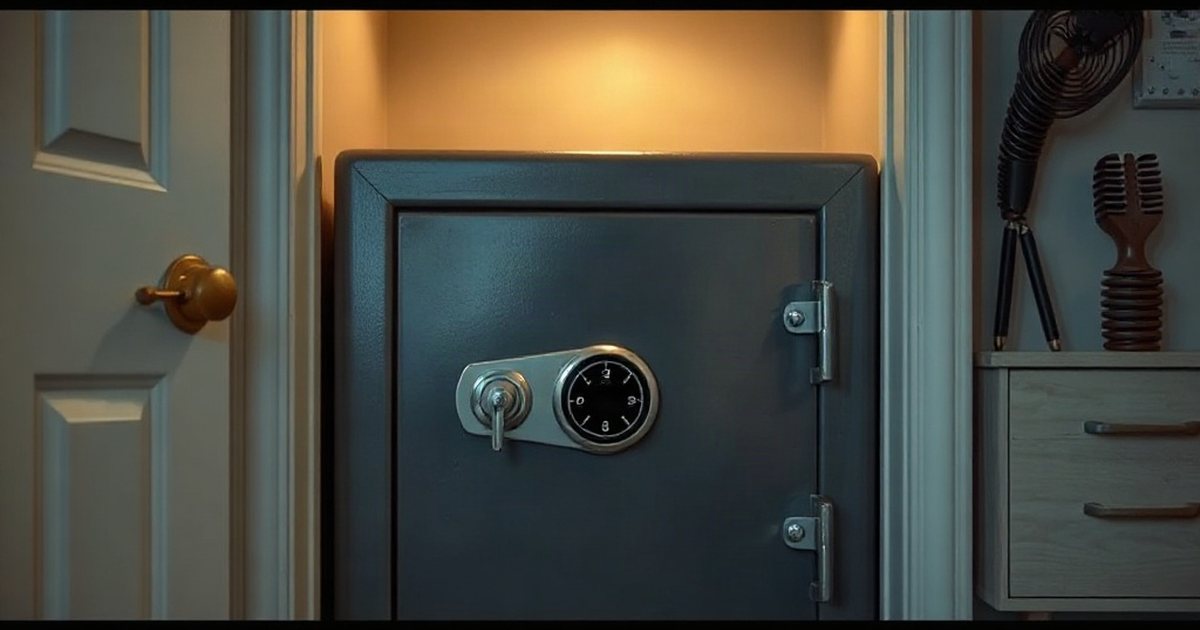
Another quoted exception applies when the child obtains the firearm as a result of an illegal entry to any premises by any person. [4] Section 25105 also states that it becomes operative on January 1, 2026. [4]
The residence rule has its own limits. Penal Code 25145 says a person is not penalized for violating it if the person uses a firearm safety device or gun safe that they reasonably believed met the requirements of the section. [1] The same section defines readily controlled by proximity: the person or other lawful authorized user is within close enough proximity to the firearm to readily prevent unauthorized users from gaining access. [1]
California penalties
Penal Code 25110 sets punishment for criminal storage in three degrees. The section does not say which facts place a case in which degree, so this guide does not either. [5]
- First degree: imprisonment under subdivision (h) of Section 1170 for 16 months, or two or three years, with a fine not exceeding $10,000, or both; or a county jail term not exceeding one year, a fine not exceeding $1,000, or both. [5]
- Second degree: a county jail term not exceeding one year, a fine not exceeding $1,000, or both. [5]
- Third degree: punishable as a misdemeanor. [5]
- Residence rule (Penal Code 25145): a fine of up to $250 for a first violation and up to $500 for a second violation, with a third and any later violation a misdemeanor. [1]
- Firearm in a residence with a prohibited person (Penal Code 25135): a violation is a misdemeanor. [8]
- Handgun left in an unattended vehicle (Penal Code 25140): an infraction punishable by a fine not exceeding $1,000. [9]
- Child or prohibited person carries a stored firearm off-premises (Penal Code 25200): a county jail term not exceeding one year, a fine not exceeding $1,000, or both, with a separate tier at a fine not exceeding $5,000 that the statute does not tie to specific facts. [10]
How a California court has applied firearm storage risks
The California appellate case in this guide is a civil negligence decision, and it is a different kind of case from a criminal prosecution.
Hernandez v. Jensen is a 2021 decision of the California Court of Appeal. According to the opinion, the removal of a tank caused a loaded rifle in a closet to fall and discharge. [13] The question was whether the defendant, Jensen, owed a duty of care to a home aide who was harmed.
The court wrote that it is foreseeable that an accidental shooting might occur in a home containing unsecured, loaded firearms, and that policy considerations favor a duty to use reasonable care when one knows firearms are present. It held that Jensen owed the aide a duty of care. [13]
The court also held that substantial evidence supported the jury’s finding that Jensen’s negligence was a substantial factor in causing the aide’s harm, and it found no error in the jury instructions. [13] The decision concerns civil duty and causation, not the criminal storage sections or Penal Code 25100.
Where California sits among state storage laws
RAND describes child-access prevention and safe storage laws as laws that allow prosecutors to bring charges against adults who intentionally or carelessly allow children to have unsupervised access to firearms. [14] RAND’s list of states and the District of Columbia with negligent-storage laws includes California. [15]
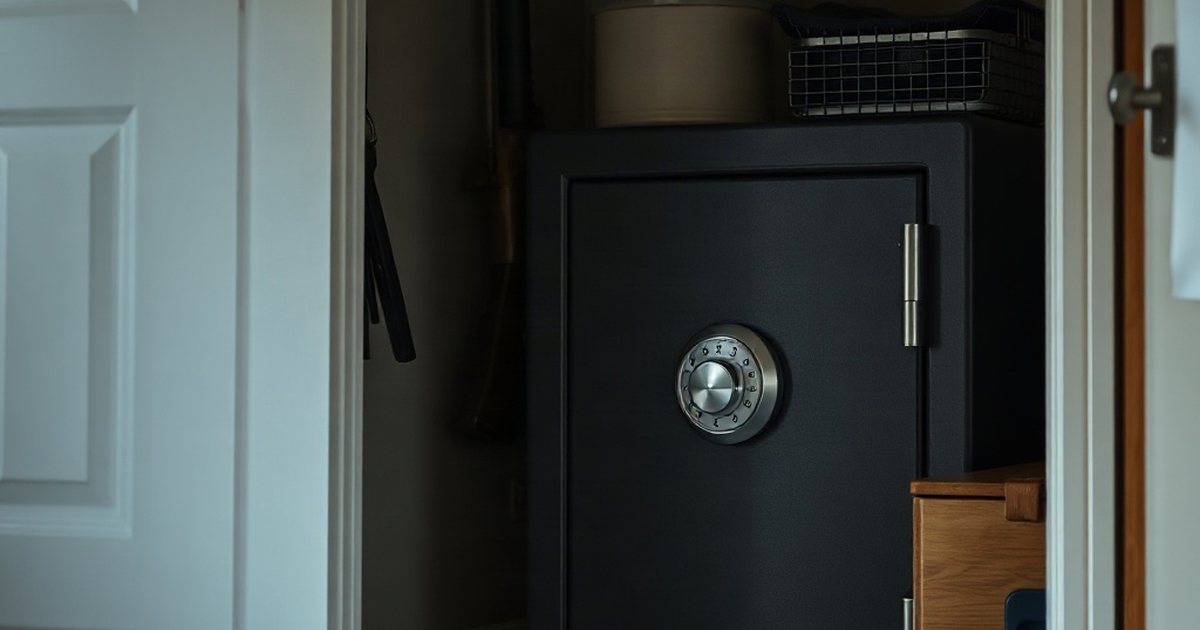
RAND also reports that, as of January 1, 2025, 35 states and the District of Columbia have such laws, and that state laws vary on whether criminal penalties are classed as misdemeanors or felonies and on the age threshold for being a minor. [14] California’s rules in this guide are California’s alone.
What this means for choosing storage
The California statutes name two categories of device: a certified firearm safety device and a secure gun safe. [1] Whether a particular lockbox, cable lock or trigger lock counts as certified is a question about the Department of Justice roster cited in the sales provision, not about the look of the product. [11]
There is a gap between what the statute recognizes and what keeps a determined teenager out. California defines a child as anyone under 18, and the Attorney General’s standard is aimed at injuries to children 17 years of age and younger. [3] [7] A device that meets a state standard still depends on who knows the code or holds the key.
No product on a shelf can be said to satisfy the law by itself. The residence rule also reaches firearms not being carried or readily controlled, which is a question about where the owner is, not only about which device is installed. [1]
FAQ
What does California Penal Code 25100 cover?
It covers a person who keeps a firearm on premises under the person’s custody or control and negligently stores or leaves it where the person knows, or reasonably should know, that a child is likely to gain access without a parent’s or guardian’s permission. [2]
How does California define a child for these laws?
For the firearm storage division, California defines a child as a person under 18 years of age. [3]
What is the California residence storage rule?
Penal Code 25145 says that beginning on January 1, 2026, a person shall ensure that any firearm the person possesses in a residence is securely stored when it is not being carried or readily controlled by the person or another lawful authorized user. [1]
What are the penalties for violating the California residence rule?
The statute sets a fine of up to $250 for a first violation and up to $500 for a second violation. A third and any later violation is a misdemeanor. [1]
Does California have exceptions to criminal storage?
Yes. The exceptions include a firearm that is securely stored under Section 25145, one carried or readily controlled by a lawful authorized user, and one a child obtains through an illegal entry. [4]
This is general information, not legal advice. California’s storage sections carry operative dates, so read the current statute text or ask a California lawyer about your own situation. A device meeting a state standard reduces access but does not replace supervision.
Sources
- California Penal Code 25145 – securely stored firearm in a residence (operative 2026). Public.Law (Open Law Library) reproduction of the statute (California.Public.Law), accessed 2026-10-13
- Cal. Penal Code 25100 Criminal storage of a firearm (operative January 1, 2026). California Penal Code (FindLaw), accessed 2026-10-13
- California Penal Code 25000 – definition of child for the firearm storage division. Public.Law (Open Law Library) reproduction of the statute (California.Public.Law), accessed 2026-10-13
- California Penal Code 25105 – exceptions to criminal storage of a firearm. Public.Law (Open Law Library) reproduction of the statute (California.Public.Law), accessed 2026-10-13
- California Penal Code 25110 – punishment for criminal storage of a firearm. Public.Law (Open Law Library) reproduction of the statute (California.Public.Law), accessed 2026-10-13
- California Penal Code 25100 – Criminal storage of a firearm (text via FindLaw). FindLaw (California Penal Code), accessed 2026-10-13
- California Penal Code 23650 – minimum safety standard for firearm safety devices and gun safes. Public.Law (Open Law Library) reproduction of the statute (California.Public.Law), accessed 2026-10-13
- California Penal Code 25135 – firearm in a residence with a prohibited person. Public.Law (Open Law Library) reproduction of the statute (California.Public.Law), accessed 2026-10-13
- California Penal Code 25140 – handgun left in an unattended vehicle. Public.Law (Open Law Library) reproduction of the statute (California.Public.Law), accessed 2026-10-13
- California Penal Code 25200 – child or prohibited person carries stored firearm off-premises. Public.Law (Open Law Library) reproduction of the statute (California.Public.Law), accessed 2026-10-13
- California Penal Code 23635 – firearm safety device or gun safe required with firearm sales. Public.Law (Open Law Library) reproduction of the statute (California.Public.Law), accessed 2026-10-13
- Child Access Prevention and Safe Storage in California. Giffords Law Center, accessed 2026-10-13
- Hernandez v. Jensen, California Court of Appeal (2021). California Court of Appeal, accessed 2026-10-13
- The Effects of Child-Access Prevention Laws. RAND Corporation (Gun Policy in America), accessed 2026-10-13
- The Effects of Child-Access Prevention Laws (state lists). RAND Corporation (Gun Policy in America); host blocks scripted fetches (403), page loads in a browser, accessed 2026-10-13
Fire, burglary and lock ratings are quoted as the manufacturer or testing lab states them, with the source on each page. Safe-storage and child-access laws vary by state and change; check your state's current statute. No safe or lock replaces supervision of children around firearms. We do not sell or link to firearms or ammunition. This is general information, not legal advice. As an Amazon Associate we earn from qualifying purchases.
