Moving a gun safe goes wrong in two ways: someone gets hurt, or the floor, stairs and door frame do. Liberty Safe’s guidance on moving a safe yourself starts with its first recommendation, which is not to do it, and notes that some floors and stairs are not built to carry that weight. [1] Weight is the whole problem, so this guide starts with the numbers.
It covers how heavy safes really are, what to empty and secure first, the equipment and crew a heavy move needs, and how to anchor the safe in its new place. Light flat-pack cabinets and large fire-rated safes need very different plans, and the decision is made before anyone lifts.
- Find the real weight first; Liberty says large safes can reach 3,100 pounds. [1]
- Empty the safe and secure the guns and ammunition elsewhere, locked and out of children’s reach, for the whole move.
- Use a dolly rated for at least 800 pounds for big safes, or hire movers. [1]
- Anchor the safe in its new spot with the maker’s hardware, and test the lock before reloading it.
How heavy is the safe, really
Liberty Safe says a loaded gun safe can weigh well over a thousand pounds and in many cases two or three thousand, and that some models may weigh up to 3,100 pounds. [1] Those are large steel safes. Listings for smaller models show how wide the range is.
- KAER 1350 10-12 rifle cabinet: product weight 62.83 lb.
- KAER 1400MD Rivet Design: product weight 70.84 lb.
- Hornady fireproof safe 95407: weighs 62 lbs.
- SentrySafe STW123GDC: weighs 86.69 pounds.
- VALINIRT 14 Gun Fireproof Safe: 200 lb. The 24 Gun model: 300 lb.
- Steelwater 20 Long Gun safe: 408 lbs, with curbside delivery only.
Plan the route before anyone lifts
Walk the whole path from the truck to the final spot and measure it. The safe’s width and depth must clear every doorway, and its height must clear the lowest ceiling or stair turn. The Steelwater listing is a useful warning: delivery is curbside only, and garage delivery may be possible only if the driveway is paved, fairly level and relatively short. Plan for the last stretch yourself.
Check the floor at the destination. Liberty cautions that some floors and stairs are not built for this much weight, and that you cannot anchor a safe to a tile floor. [1] [2] If the destination is an upper floor, ask a contractor whether it can carry the weight; a concrete slab is the usual alternative, though a basement or garage may need a humidity plan.
A few stairs can be the entire job. For a safe in the hundreds of pounds, hiring movers who have done it can be cheaper than a damaged stair, wall or back. Insurance is a separate question: ask your insurer how a move and a new location are treated before you start. American Family Insurance, for one, says a standard homeowners limit for firearm theft is about $5,000 and suggests scheduling guns under itemized personal property coverage, so a new location is a good moment to review that. [3]
Empty it, secure the contents, and keep children out of the process
Take everything out before moving, because contents are part of the weight and shifting contents can damage a door or racks. That also means the guns and ammunition have to be secured somewhere else while the safe is out of service. The AAP’s guidance is that all guns be locked and unloaded, with ammunition locked separately, and that children and teens not have access to the keys or combinations. [4]
Use a temporary lock box or other lock, and keep the key or combination out of reach. A move day with open doors and strangers in the house is exactly when storage slips.
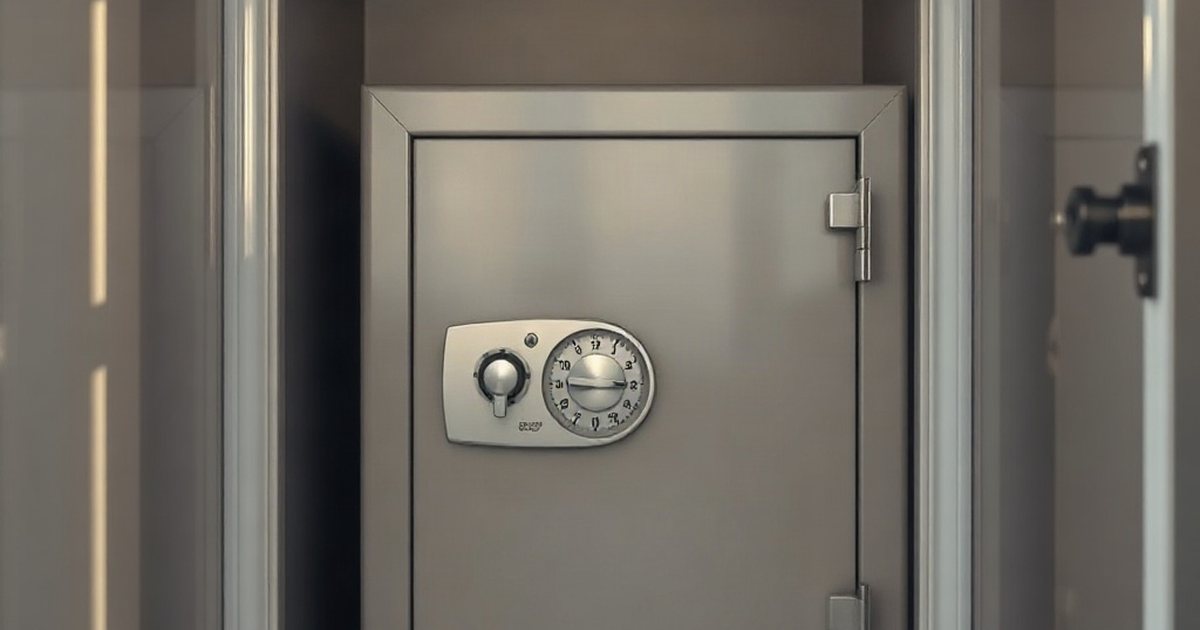
Take the shelves and racks out as well if the manufacturer allows it. Shelves and interior fittings can shift when a safe is tilted. Keep screws and bolts together and note where they came from.
Equipment and crew for a heavy safe
For a large safe, Liberty says you will need a hand truck or dolly that can hold at least 800 pounds. [1] A bathroom-scale guess is not enough; look up the weight in the manual or on the listing, then buy or rent equipment rated well above it, plus straps and a ramp. The Kaer cabinets above list 62.83 lb and 70.84 lb, far lighter than a large safe, but plan on at least two people and a clear path, because a tall narrow cabinet can tip.
Use enough people, move slowly, and agree on signals. Never place yourself downhill of the safe on stairs or a ramp. Keep a clear exit path, and stop if the safe starts to tip. Tilting is a risk in both directions: Liberty notes that prying a door off is typically much easier if a safe is tipped onto its back, which is a reason to treat the safe as upright and anchored once it arrives. [2]
Protect the surfaces. Sheets of plywood or hardboard under the dolly path spread weight across a floor and keep wheels from digging in. Remove the door handle or any protruding part only if the manual says to.
Day-of checklist
Run through this list before the first lift, and stop the move if any item is not settled.
- The destination has been measured, and the path is clear of rugs, cords and pets.
- The weight is known from the manual or the listing, and the dolly, straps and ramp are rated above it.
- Everyone knows who calls the lift and who stops it, and nobody works downhill of the safe.
- Guns and ammunition are locked away elsewhere, unloaded, with ammunition separate, and no child knows the temporary combination.
- The anchor hardware, a drill and the bit sizes from the manual are on site before the safe arrives.
- A helper is assigned to watch the floor, stairs and door frames, not the safe.
Anchor it in the new spot
Liberty says you should always anchor your safe to the floor, and notes how much damage a 1,000-pound safe can do if it tips over. [2] Its installation instructions call for a hole at each of the four anchoring locations drilled with a 3/8 concrete bit. [2] Read your own manual, because anchor size and layout differ by model.
SentrySafe’s owner’s manual for its security safe strongly recommends bolting down for maximum security, and says that bolting to both the floor and a wall is not recommended. [5] Smaller cabinets are typically wall- or floor-fixed with the included hardware, and the point is the same: a safe that can be carried away is only a portable box.
Weight even shows up in the burglary standard. UL says compliance with UL 1037 involves a drop test for products weighing 750 pounds or less, and a product that can be reliably and safely mounted, with the maker providing mounting instructions, does not have to take the drop test. [6]
In plain terms, mounting provisions are part of how UL treats lighter safes, which is another reason to use them.
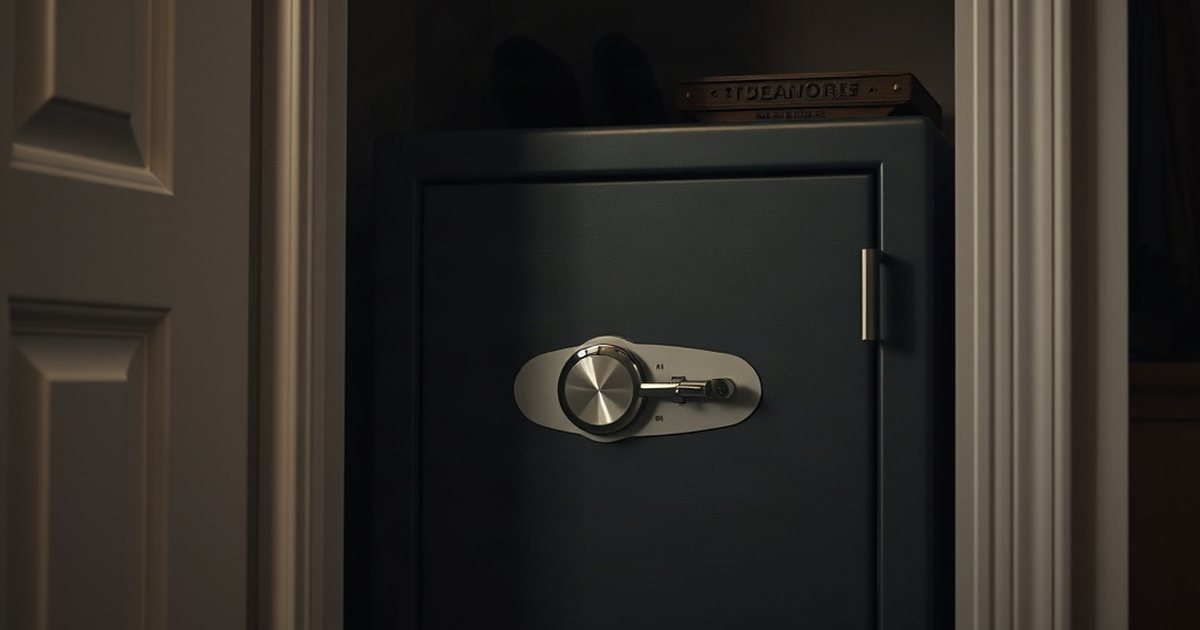
After the move, test the lock and bolts before putting guns back, check the door swing, and reset any humidity control that moved with it. If the safe has an electronic lock, check the battery now; Liberty recommends replacing its lock battery annually. [7]
FAQ
Can two people move a gun safe?
It depends on weight. Liberty advises against moving a heavy safe on your own and mentions a dolly rated for at least 800 pounds. [1] A 62.83 lb cabinet is a different job.
Do I need to empty the safe before moving it?
Yes, and the contents need a locked home meanwhile. The AAP advises locking guns unloaded with ammunition locked separately. [4]
Should I anchor the safe after moving it?
Yes. Liberty says you should always anchor your safe to the floor. [2] SentrySafe’s manual strongly recommends bolt down. [5]
Can I anchor a safe to tile?
Liberty states you cannot anchor a safe to a tile floor, so pick a slab or follow the maker’s instructions for the surface. [2]
Heavy safes can crush and tip; use a professional crew when in doubt. Never leave guns accessible during a move, and keep keys and combinations from children. Storage laws vary by state, and this is general information, not legal advice.
Sources
- Tips for Moving a Gun Safe on Your Own. Liberty Safe, accessed 2026-10-13
- Anchoring Your Gun Safe to the Floor. Liberty Safe, accessed 2026-10-13
- Understanding homeowners insurance and firearms. American Family Insurance, accessed 2026-10-13
- Handguns in the Home (HealthyChildren.org). American Academy of Pediatrics (HealthyChildren.org), accessed 2026-10-13
- Security Safe Owner's Manual (X-Model). SentrySafe (Master Lock), accessed 2026-10-13
- Residential Security Container Standard Revised. UL Solutions, accessed 2026-10-13
- How to Change Your Gun Safe Battery: A Complete Guide. Liberty Safe, accessed 2026-10-13
Fire, burglary and lock ratings are quoted as the manufacturer or testing lab states them, with the source on each page. Safe-storage and child-access laws vary by state and change; check your state's current statute. No safe or lock replaces supervision of children around firearms. We do not sell or link to firearms or ammunition. This is general information, not legal advice. As an Amazon Associate we earn from qualifying purchases.
