The first job of a handgun box is keeping the gun away from children, and that is the lens for this page. The Fort Knox listings covered here are three handgun pistol boxes, all described with mechanical locks. If your first concern is keeping a handgun from a child or a visitor, these boxes are relevant. If you want a rifle safe, they are not.
A box does not replace supervision, and a mechanical box controls access; none of these listings states a theft rating. This page covers what the Fort Knox listings state, how the brand describes its fire testing, how steel thickness compares with other boxes, and what to verify before paying.
- Fort Knox appears here only as pistol boxes; larger safes are not covered here.
- The PB1 and FTK-AUTO list 10 gauge steel bodies and 3/16 inch doors with mechanical locks.
- Fort Knox describes its fire test method on its own page, which is a maker description, not a laboratory certificate. [1]
- Ask for the certificate for the exact model before treating any fire figure as a rating.
What the Fort Knox listings cover
Only pistol boxes are covered here: the Original Pistol Box (PB1), the FTK-AUTO box, and a PB1 bundle. Larger Fort Knox safes are not documented here, so this page makes no claim about their steel, fire ratings or prices. If you are shopping for a larger model, get the maker’s own rating documents and read them the way the rating guide on this site describes.
A pistol box and a large safe have different jobs. A box is for fast access to one or two handguns. A big safe is for long guns, documents and valuables, and is judged on weight, fire seals and bolts.
The Fort Knox listings, model by model
The three listings below are all handgun boxes. Each entry uses only what the listing states.
Fort Knox Original Pistol Box (PB1)
The PB1 lists a 10 gauge steel body, a gas-strut-assisted heavyweight door, a fast-opening pushbutton Simplex mechanical locking device, a reinforced lock backplate and a 3/16 inch tamper-resistant wraparound door. It lists dimensions of 4-1/4 inches high, 12-1/2 wide and 10-3/8 deep, and a limited lifetime warranty. The listing also states that it is California DOJ Certified, which is the maker’s statement and is covered in the California guide on this site.
Steel thickness is the main hard number these listings give. On the mild steel chart, a 10 gauge sheet is 0.1345 inches thick and 7 gauge is 0.1793 inches. [2] A 10 gauge body is thicker than 12 gauge, which the same chart puts at 0.1046 inches, and the chart’s own note is that a lower number means thicker steel. [3] Plate at 3/16 inch is a separate measurement, roughly the thickness of 7 gauge, which the chart puts just under 3/16 inch. [2]
The lock is mechanical. A mechanical lock has no battery to die, which is an advantage for a box that may sit unused for a long time. The listings mention no alarm or access log.
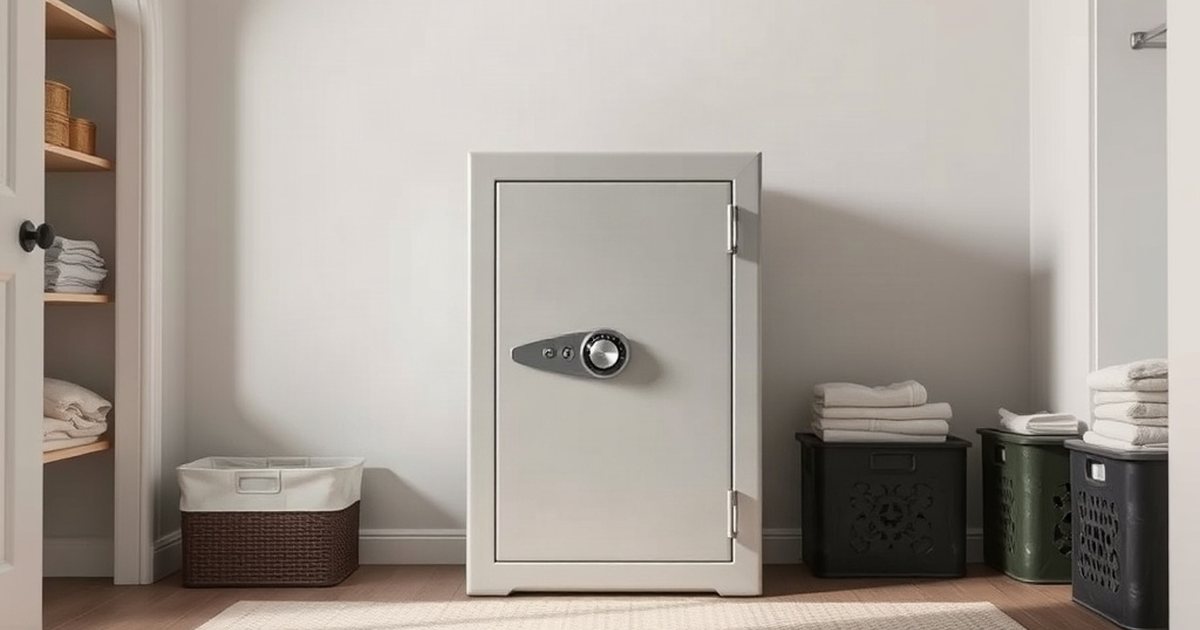
Treat the code like a key: keep it away from children and teens. [4]

Fort Knox FTK-AUTO Security Pistol Box
The FTK-AUTO lists a 10 Ga. steel body, a 3/16 plate door, a reliable mechanical lock, a fabric interior, bolt holes for mounting and a reinforced lock backplate.
Its listing also says California DOJ Certified. Compared with the PB1, its listing text is shorter and gives no dimensions or warranty line.
Bolt holes matter because a pistol box that is not anchored can be carried off whole. Use the mounting holes it provides, and follow the anchoring guidance in the bolt-down guide on this site.
Fort Knox PB1 Handgun Safe bundle with Dean Safe
A third listing is titled as the PB1 with a 13.5 inch Dean Safe and a pistol sock. Its text repeats the 10 gauge uni-body, 3/16 inch tamper-resistant wraparound door, gas-strut-assisted door and Simplex pushbutton lock described for the PB1. Treat bundle listings with care: the price is the same as the PB1 on its own, and the listing text describes only the PB1 and does not say what the Dean Safe is.
How Fort Knox describes its fire testing
The pistol boxes list no fire rating, so their listings should not be read as fire safes. Separately, Fort Knox publishes a page describing its fire-test method, and the page does not tie it to these boxes. It says the safe is monitored internally by nine thermocouple sensors placed evenly from top to bottom as per UL72 standards, and the test is terminated once the first sensor reaches 350°F, after which it documents the duration and external temperature to get its fire rating. [1]
Read that carefully. It is the maker’s own description of a method it says follows UL 72. A UL 72 certification is a laboratory listing; a maker’s account of its own test is not the same thing [5] [6].
One reviewer cautions, in general terms and not about Fort Knox, that a manufacturer may come up with its own fire rating test based on its interpretation of UL 72, in which case it means nothing. [5] The same reviewer notes that the actual length of a UL 72 test can be up to 80 hours, which is why a rated time on a label is not the length of the test. [6]
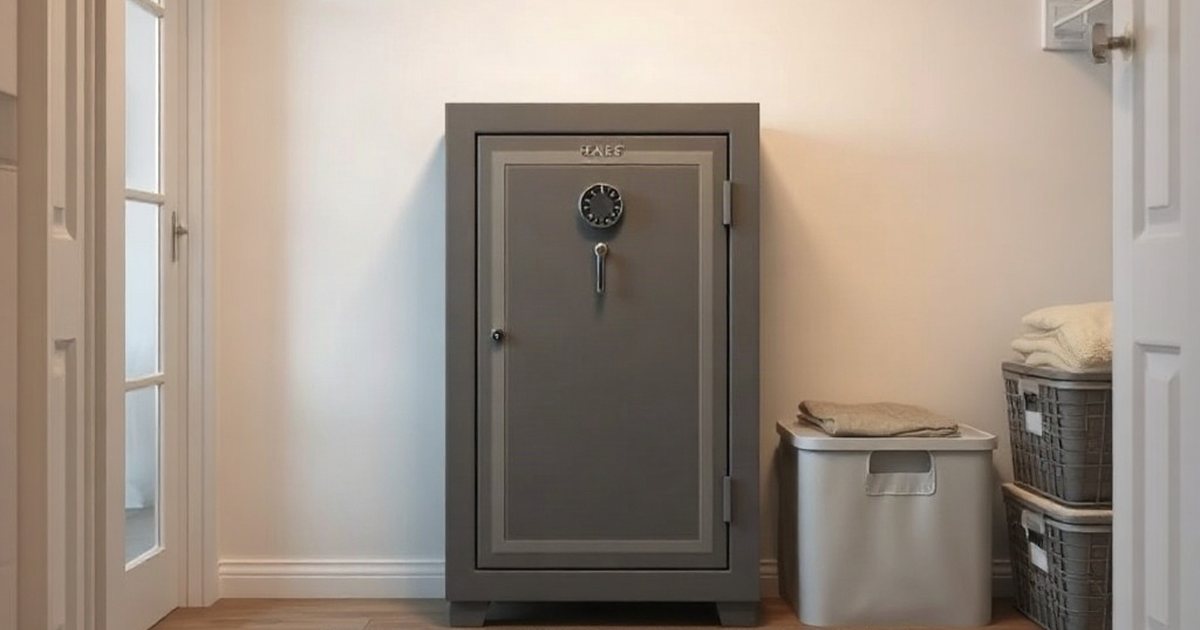
The practical step is simple: ask Fort Knox, or any seller, whether a named laboratory issued a certificate for the exact model and where the certificate can be checked.
How the price compares
The PB1 and the FTK-AUTO are priced well above the SentrySafe keypad safe described next. That SentrySafe two-handgun safe, with a digital keypad and interior light, whose listing states California DOJ certification, is the lower-cost option.
The Fort Knox listings state 10 gauge steel and a battery-free lock; the SentrySafe listing says only “solid steel” and gives no gauge, so the steel comparison is incomplete. Neither listing states a theft rating. A thicker-walled box may suit you if you want a heavier build, while a keypad safe with a light may suit a nightstand where speed and visibility matter more.
What to verify before buying
- The PB1 lists dimensions of 4-1/4 by 12-1/2 by 10-3/8 inches without saying whether they are exterior or interior; ask for the interior size and measure your handgun against it.
- Confirm the model number against the California roster if that approval matters to you, because the listing’s statement is the seller’s.
- Plan the mounting: the FTK-AUTO lists bolt holes for mounting, while the PB1 listing text does not mention mounting, and neither supplies a fastener guide.
- Ask what the warranty covers and who honors it, since the PB1 lists a limited lifetime warranty without terms.
Who should consider these boxes
These are handgun boxes for owners who want a heavy steel box and a mechanical lock, who will anchor it, and who accept limited capacity. They are not rifle safes, they list no fire rating, and they do not replace safe habits. Keep the code from children and treat the box as one layer, with unloaded storage and separate ammunition as the American Academy of Pediatrics advises. [4]
FAQ
Does Fort Knox make rifle safes?
The listings covered here are pistol boxes only, and this page does not say which larger safes Fort Knox sells. For any larger safe, use the maker’s own documents and verify ratings before buying.
Are Fort Knox pistol boxes fireproof?
Their listings state no fire rating. Fort Knox’s published fire-test description is the maker’s own account of its method, and it does not tie it to these boxes. [1]
What does a mechanical lock give up?
A mechanical pushbutton lock avoids batteries and electronics, and the listings mention no alarm; the code is only as secret as you keep it. Keep it from children and teens. [4]
Why does steel gauge matter?
A lower gauge number means thicker steel. On the mild steel chart, 10 gauge is 0.1345 inches thick, while 12 gauge is 0.1046 inches. [2]
These are handgun boxes, not theft-rated vaults, and a heavy box that is not anchored can still be carried away. A safe does not replace supervision; keep codes and keys from children, and check any rating against the maker’s certificate.
Sources
- Leading Fire Protection – Fort Knox Safes. Fort Knox Vaults, accessed 2026-10-13
- Metal Gauge to Thickness Chart: Sheet Steel, Stainless, and Aluminum. Welders Supply, accessed 2026-10-13
- Mild Steel Gauge Thickness Chart. RMFG, accessed 2026-10-13
- Handguns in the Home (HealthyChildren.org). American Academy of Pediatrics (HealthyChildren.org), accessed 2026-10-13
- 9 Myths about Fireproof Gun Safe Fire Ratings (page 2). Gun Safe Reviews Guy, accessed 2026-10-13
- 9 Myths about Fireproof Gun Safe Fire Ratings (page 1). Gun Safe Reviews Guy, accessed 2026-10-13
Fire, burglary and lock ratings are quoted as the manufacturer or testing lab states them, with the source on each page. Safe-storage and child-access laws vary by state and change; check your state's current statute. No safe or lock replaces supervision of children around firearms. We do not sell or link to firearms or ammunition. This is general information, not legal advice. As an Amazon Associate we earn from qualifying purchases.
