The Stack-On items in the listings reviewed are budget-priced home safes and cabinets, and a purchase like that usually answers one question: how do I keep a firearm away from a child or a casual visitor without spending much? That is a legitimate job. It is a different job from stopping a burglar, and this page keeps the two apart. It covers the Stack-On items in the listings reviewed, compares the personal safe with similarly priced peers, and reads the Consumer Product Safety Commission recall history for what it shows and does not show.
One limit to state first: the listings reviewed hold two Stack-On items, a personal safe and a pistol and ammunition cabinet, so this is not a full lineup comparison. Nothing here describes models that cannot be cited. Whatever you buy, a cabinet or lightweight safe is not theft-rated, and no storage product replaces supervision of children.
- The Stack-On items in the listings reviewed are a personal safe and a pistol and ammo cabinet; neither listing names an independent burglary or fire rating.
- Compare listings that state a gauge and bolts: an 8-gauge door is 4.18 mm and 14-gauge steel is 1.90 mm. [1]
- CPSC recalls of older Stack-On products show simple locks can fail; they do not mean current models are affected.
- Bolt it down, test the lock before loading it, and treat a cabinet as access control rather than theft protection.
Stack-On Personal Safe with Electronic Lock
The Stack-On Personal Safe with Electronic Lock’s listing describes a backlit keypad that takes a personalized 3-8 digit code, two backup keys, a foam-padded adjustable shelf, a pry-resistant steel door with concealed hinges and 2 live-action bolts, a built-in LED light, and pre-drilled holes with an included mounting kit. The listing says it fits closets, shelves and nightstands for firearms, cash and valuables.
What the listing does not give is a steel gauge, a bolt diameter, an interior volume or any independent burglary or fire rating. Without them you are buying on the basics: a keypad lock, two bolts and a steel box of unstated weight that you should bolt down. Liberty Safe says a safe should always be anchored, and that prying a door off is typically much easier if the safe can be tipped over. [2]

How it compares with similar personal safes
Two safes at nearly the same price show what a buyer can ask a listing to say.
Amazon Basics 1.8 Cubic Feet Security Safe
It states a 1.8-cubic-foot capacity, an 8-gauge steel door and 14-gauge steel body, 2 live-door bolts, an electronic keypad, a backup key, and AA batteries not included. A gauge table puts 8 gauge at 4.18 mm and 14 gauge at 1.90 mm, which gives a buyer a real thickness to weigh. [1] Its listing frames it for documents, jewelry and valuables rather than firearms.
SentrySafe Digital Keypad Safe, medium
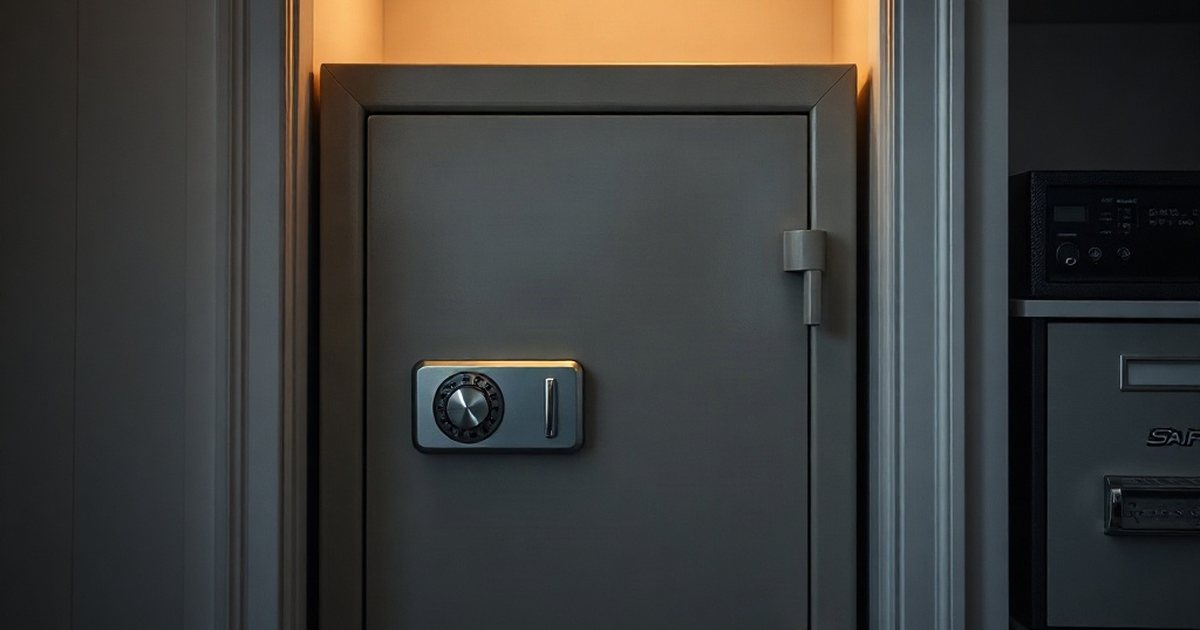
This medium SentrySafe has 2 live-locking bolts, a carpeted floor, bolt-down hardware, a 0.58 cubic foot capacity, interior dimensions of 13.6 x 8.7 x 8.5 inches, and it states plainly that it is not a fireproof or waterproof safe. That plain statement is the kind of limit a Stack-On buyer should look for on any listing.
Stack-On Pistol and Ammo Cabinet GCHG-900
The GCHG-900 is listed as a pistol and ammunition cabinet.
The listing text is generic: it describes a versatile design, durable construction and reliable performance and gives no dimensions, steel, lock type or capacity. Nothing specific can be said about it from that text. Check the maker’s own page for dimensions, lock type and capacity before relying on it.
It is a cabinet, so the safety limit applies. A cabinet is not theft-rated and will not stop a determined thief. It controls access by children and guests, which matters, and the American Academy of Pediatrics advises that all guns be locked and unloaded, with ammunition locked separately and keys or combinations out of reach of children and teens. [3] Ammunition belongs in its original packaging in a cool, dry place away from heat sources, per SAAMI. [4]
The recall record: what it shows and what it does not
The CPSC has published recall notices involving Stack-On-branded products over the years. They are history, and nothing in them implies that any current product has the same defect. They are useful as a record of how simple locks can fail.
- March 2019, Alpha Guardian Stack-On Sentinel gun safe: the notice says a bolt malfunction can cause the safe to open without the use of a key or combination, allowing access to firearms stored inside. Owners were told to stop using the safe and contact Alpha Guardian for a free replacement or a full refund. [5]
- November 2004, Stack-On Strong Box electronic keypad drawer safes: the notice says the safes can be opened without a combination by jiggling the door knob, with a refund available from the place of purchase. [6]
- November 2000, Stack-On and Sentinel push-button gun cabinets: the notice says the push button locks can be opened without a key, allowing unauthorized access to firearms, and records two reports of consumers being able to open locks without their keys. [7]
Keys, batteries and the household plan
A keypad safe is a small system: the lock, the batteries, the backup keys and the people who know the code. SentrySafe’s owner’s manual for a keypad model (not a Stack-On manual, so check the one for your safe) recommends four alkaline AA batteries, says non-alkaline and rechargeable batteries are not recommended, and tells owners not to place the override key in the safe. [8] The Stack-On personal safe listing includes two backup keys, so decide who holds each one before the safe is loaded.
Choose the code with care, and avoid a birthday or an address, which are easy to guess. The AAP’s advice is that children and teens must not be able to reach keys or combinations, and one survey found that thirty-nine percent of parents who said their children did not know where household guns were kept were contradicted by their children’s own reports. [3] [9]
Finally, think about where a small safe lives. Bolted inside a closet, it is out of casual sight but not out of a search, and a bolted safe in a room children use as a play area is a poor trade. The point of the exercise is a plan that works on an ordinary day, not just on the day you buy it.
Before you buy any Stack-On model
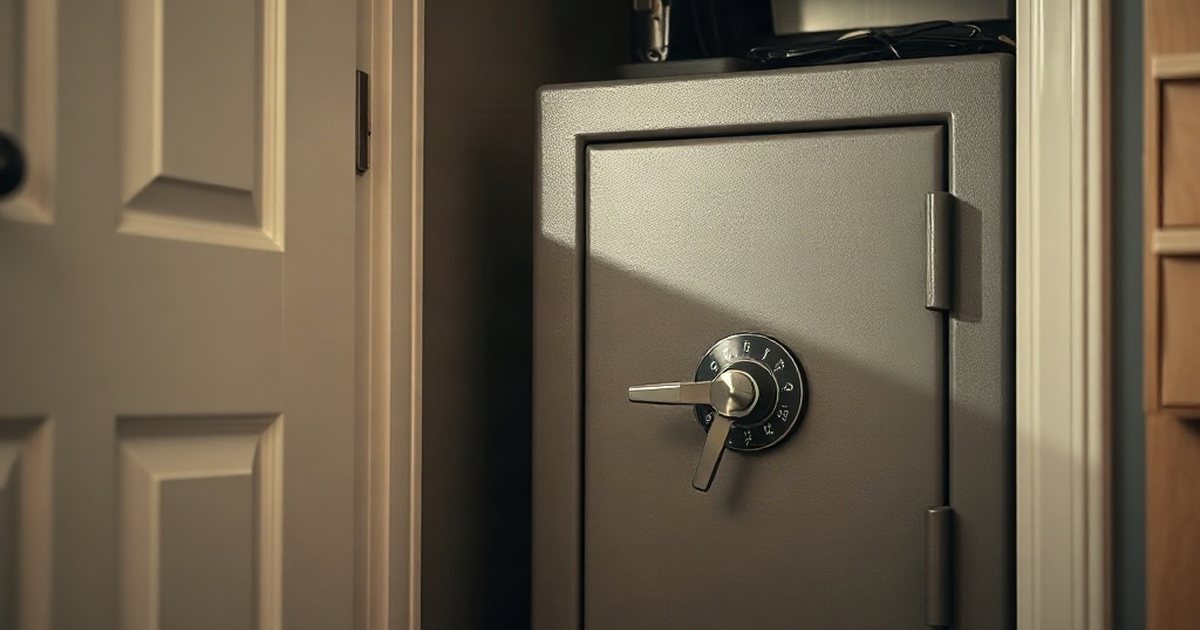
Check the CPSC recall database for the exact model name and number, which takes a minute; it shows only failures that have been reported and recalled. Then test the lock when it arrives: confirm that a wrong code and a firm jiggle of the door do not open it. Do this before any firearm goes inside.
Then compare listings on what they state.
Does the page give a gauge, a bolt count, a rating, an interior volume? A lightweight safe is better than an unlocked drawer for a child-access plan, and a bolted lightweight safe is better than a loose one. Neither is a burglary-rated safe, and a listing without specs gives you nothing to compare.
If the real threat is theft, look at the burglary ratings guide on this site. The UL RSC classification at level one is a five-minute attack by one technician using common hand tools, which is the lowest of the three attack levels UL describes. [10] Light personal safes do not state that level in their listings.
FAQ
Is the Stack-On personal safe burglar proof?
No. Its listing describes a pry-resistant door and 2 live-action bolts but names no independent rating. A burglary standard at level one is a five-minute attack with common hand tools. [10]
Have Stack-On products been recalled?
Yes, older ones. CPSC notices from 2000, 2004 and 2019 describe lock or bolt failures in specific Stack-On and Sentinel products. [5] [6] [7]
Is a Stack-On cabinet enough to keep kids out?
A locked, anchored cabinet addresses access, and the AAP advises locking guns unloaded with ammunition locked separately. [3] It does not replace supervision.
How should I mount a small safe?
Use the supplied hardware to bolt it down. Liberty Safe says a safe should always be anchored to the floor. [2]
A cabinet or personal safe is not theft-rated, and no storage product replaces supervision of children. Recall records describe specific models; they do not mean a current product is affected. This is general information, not legal advice.
Sources
- Metal Gauge to Thickness Chart: Sheet Steel, Stainless, and Aluminum. Welders Supply, accessed 2026-10-13
- Anchoring Your Gun Safe to the Floor. Liberty Safe, accessed 2026-10-13
- Handguns in the Home (HealthyChildren.org). American Academy of Pediatrics (HealthyChildren.org), accessed 2026-10-13
- Recommendations for Safe Ammunition Storage and Handling. Sporting Arms and Ammunition Manufacturers’ Institute (SAAMI), accessed 2026-10-13
- Alpha Guardian Stack-On Sentinel gun safe recall, Mar 2019. U.S. Consumer Product Safety Commission (recall record via SaferProducts.gov API), accessed 2026-10-13
- Stack-On Strong Box electronic keypad drawer safes recall, Nov 2004. U.S. Consumer Product Safety Commission (recall record via SaferProducts.gov API), accessed 2026-10-13
- Stack-On and Sentinel push-button gun cabinets recall, Nov 2000. U.S. Consumer Product Safety Commission (recall record via SaferProducts.gov API), accessed 2026-10-13
- Security Safe Owner's Manual (X-Model). SentrySafe (Master Lock), accessed 2026-10-13
- Parental misperceptions about children and firearms (Baxley and Miller, 2006). Archives of Pediatrics & Adolescent Medicine (PubMed abstract, PMID 16651499), accessed 2026-10-13
- Residential Security Container Standard Revised. UL Solutions, accessed 2026-10-13
Fire, burglary and lock ratings are quoted as the manufacturer or testing lab states them, with the source on each page. Safe-storage and child-access laws vary by state and change; check your state's current statute. No safe or lock replaces supervision of children around firearms. We do not sell or link to firearms or ammunition. This is general information, not legal advice. As an Amazon Associate we earn from qualifying purchases.
