Utah gun storage laws sit in a group of minor-and-weapon offenses, not in a rule about locking up a firearm. The Utah Code provisions on minors and dangerous weapons, renumbered into sections 76-11-211 through 76-11-215 on May 7, 2025, cover a minor’s possession, transfers to a minor, providing a firearm to a minor, and sales to a minor. [1]
This guide takes the offenses in turn, with the exceptions and penalty classes the Utah Code states, as of November 2026. This is general information, not legal advice.
- In the Utah sections discussed here, a minor is an individual under 18 and a dangerous weapon includes a firearm. [1]
- Utah penalizes a minor’s possession as a class B misdemeanor first, a class A misdemeanor after, and the text also provides a third degree felony where the weapon is a handgun. [1]
- A Utah actor who intentionally or knowingly provides a firearm to, or permits its possession by, a minor commits a class A misdemeanor on a first offense. [1]
- Utah sets misdemeanor terms in a separate sentencing section: up to 364 days for a class A misdemeanor and up to six months for a class B misdemeanor. [2]
Does Utah have a safe-storage law?
Utah appears on RAND’s list of the nine states with criminal liability only for intentional, knowing or reckless provision of firearms to children. In RAND’s words, that is a weaker form of child-access prevention. [3] [4]
The Utah provisions fit that description. They address a minor who has a dangerous weapon, a transfer of a handgun to a minor, an actor who provides a firearm to a minor, and an actor who fails to make reasonable efforts to remove a weapon from a minor. None of them sets a duty to keep a firearm in a locked place, and RAND’s list is dated, so the Utah Code controls. [1]
The Utah minor possession offense
In these Utah sections, minor means an individual under 18 years old, and dangerous weapon means, among other things, a firearm. An actor commits possession of a dangerous weapon by a minor if the actor is a minor and possesses a dangerous weapon. [1]
The section contains two exceptions. One covers an actor accompanied by the actor’s parent or guardian, or a responsible adult, while the actor has the dangerous weapon in the actor’s possession. [1]
The other is keyed to age. For an actor who is 14 years old or older but younger than 18, the section does not apply if the actor possesses a dangerous weapon, has permission from the actor’s parent or guardian to possess it, and does not use it in the commission of a crime. [1]
That second exception is narrow in one respect: it depends on permission from a parent or guardian, and it ends if the weapon is used in a crime. It is written for an actor 14 or older, so for a younger actor the accompaniment exception is the one that applies. [1]
Transfers, providing a firearm and sales in Utah
The transfer provision is separate. Its penalty text distinguishes violations that result from transferring a handgun from those that result from transferring a short barreled rifle, short barreled shotgun or fully automatic weapon to a minor. [1]
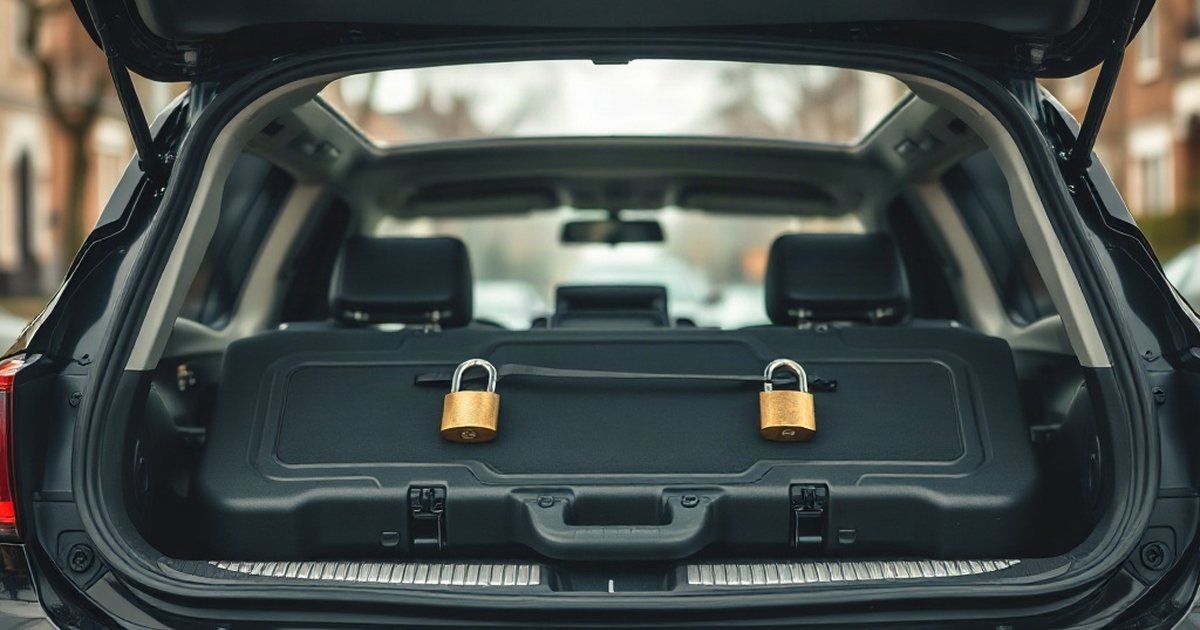
A further provision covers an actor who intentionally or knowingly provides a firearm to, or permits the possession of a firearm by, a minor, under the conditions the section sets out. [1]
Another provision covers an actor who fails to make reasonable efforts to remove the dangerous weapon from the minor’s possession. [1]
A sales provision applies where an actor sells a firearm to a minor and, at the time, the minor is not accompanied by a parent of the minor or a legal guardian of the minor. [1]
Penalties in Utah
For a minor’s possession, Utah’s text provides a class B misdemeanor for a first offense and a class A misdemeanor for each subsequent offense. It also provides that a violation of subsection (2) is a third degree felony if the dangerous weapon is a handgun, and the section lists further weapons for the same level. [1]
For a violation resulting from transferring a handgun to a minor, the text provides a class B misdemeanor upon the first offense and a class A misdemeanor for each subsequent offense. Transferring a short barreled rifle, short barreled shotgun or fully automatic weapon to a minor is a third degree felony. [1]
The provision on providing a firearm to, or permitting possession by, a minor is a class A misdemeanor upon the first offense and a third degree felony for each subsequent offense. The provision on failing to remove a weapon states that a violation of subsection (2) is a class B misdemeanor. [1]
Utah’s misdemeanor sentencing section sets the terms: a class A misdemeanor carries a term not exceeding 364 days, and a class B misdemeanor a term not exceeding six months. [2]
The federal rule that applies in Utah and every state
The same federal dealer rule reaches Utah. Under 18 U.S.C. 922(z), a licensed importer, manufacturer or dealer must provide a secure gun storage or safety device with any handgun sold, delivered or transferred to someone who is not licensed. [5]
Negligent entrustment and negligence per se actions fall outside that immunity, which otherwise protects an owner who uses such a device with a handgun from a qualified civil liability action. The duty to offer a device belongs to licensed sellers. [6] [5]
What this means for choosing storage in Utah
The Utah Code names no lockbox, safe or lock, so there is no list of devices to match. What it names are acts and permissions: a minor, a transfer, a sale, a parent’s or guardian’s permission, and reasonable efforts to remove a weapon. [1]
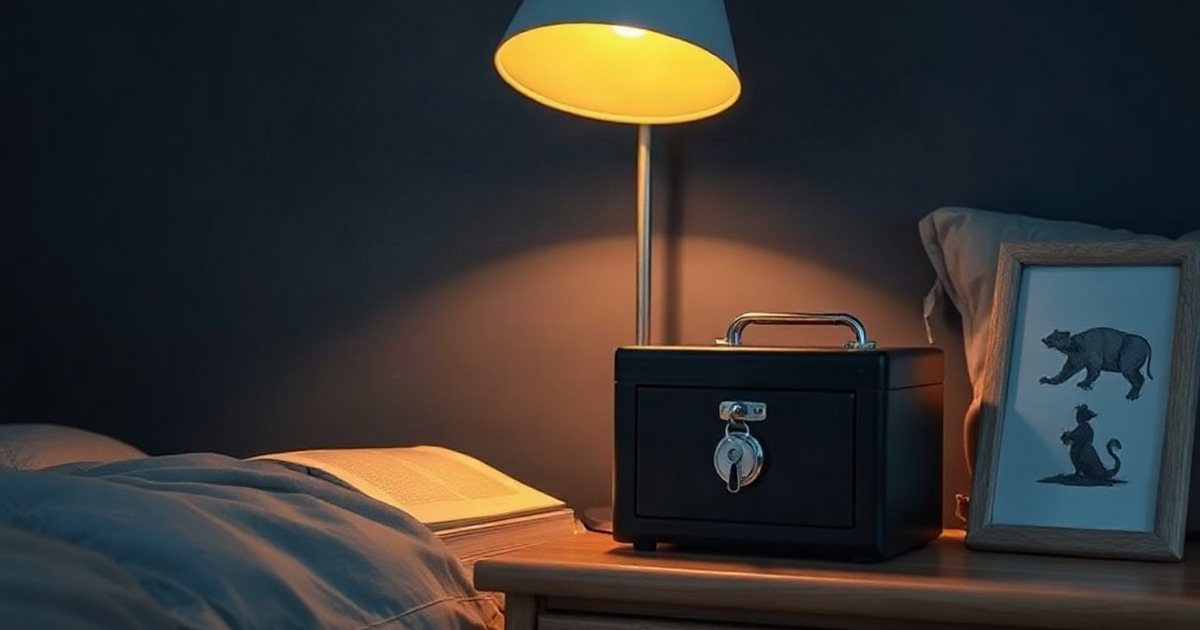
That puts weight on the gap between the legal line and the practical one. A permission exception for older minors means a household’s own decisions shape what the code treats as lawful, while a safe or lock decides who can physically reach a firearm. [1]
The American Academy of Pediatrics advises asking whether there is an unlocked gun in a house your child visits, and keeping the keys or combinations to lock boxes and gun safes away from children and teens. [7]
A lock or container controls access. It does not replace supervision.
FAQ
Does Utah require guns to be locked up?
The Utah provisions discussed in this guide do not contain a lock-up requirement. They address minors and dangerous weapons, transfers, providing a firearm to a minor and sales to a minor. [1]
How old is a minor under Utah’s dangerous weapon provisions?
The Utah Code defines minor as an individual under 18 years old. [1]
Can a Utah teenager have a firearm with permission?
For an actor who is 14 years old or older but younger than 18, the exception applies if the actor has permission from a parent or guardian and does not use the weapon in a crime. [1]
What is the penalty for providing a firearm to a minor in Utah?
The text provides a class A misdemeanor upon the first offense and a third degree felony for each subsequent offense for intentionally or knowingly providing a firearm to, or permitting possession by, a minor. A class A misdemeanor carries a term not exceeding 364 days. [1] [2]
This is general information, not legal advice. Utah renumbered these provisions in May 2025 and statutes change, so read the current Utah Code sections or ask a Utah lawyer about your own situation. Access control through a lock is one layer, and supervision is another.
Sources
- Utah Code 76-11-211 to 76-11-215 (minors and dangerous weapons; renumbered May 7, 2025). Utah Legislature (official Utah Code, Title 76 Chapter 11, effective 5/7/2025), accessed 2026-11-05
- Utah Code 76-3-204 (misdemeanor terms of imprisonment). FindLaw (mirror of the Utah Code, current as of January 1, 2025), accessed 2026-11-05
- The Effects of Child-Access Prevention Laws. RAND Corporation (Gun Policy in America), accessed 2026-10-13
- The Effects of Child-Access Prevention Laws (state lists). RAND Corporation (Gun Policy in America); host blocks scripted fetches (403), page loads in a browser, accessed 2026-10-13
- 18 U.S.C. 922(z) Secure gun storage or safety device (full text of paragraphs 1 and 3). Legal Information Institute, Cornell Law School (U.S. Code), accessed 2026-10-13
- 18 U.S. Code 922(z) – Secure gun storage or safety device. Cornell Legal Information Institute (U.S. Code), accessed 2026-10-13
- Handguns in the Home (HealthyChildren.org). American Academy of Pediatrics (HealthyChildren.org), accessed 2026-10-13
Fire, burglary and lock ratings are quoted as the manufacturer or testing lab states them, with the source on each page. Safe-storage and child-access laws vary by state and change; check your state's current statute. No safe or lock replaces supervision of children around firearms. We do not sell or link to firearms or ammunition. This is general information, not legal advice. As an Amazon Associate we earn from qualifying purchases.
