South Dakota gun storage laws turn out to be laws about minors and pistols rather than about locks and safes. The South Dakota Codified Laws sections on minors say who under eighteen may possess a pistol, when a minor may carry one concealed, and when giving a firearm to a minor becomes a felony. None of them sets out a rule for how an adult stores a firearm at home. [1] [2] [3]
This guide covers those sections, the exceptions, the penalty classes, and how South Dakota sits in RAND’s state lists. The South Dakota provisions are described as they stood in November 2026. This is general information, not legal advice.
- South Dakota does not appear on RAND’s list of negligent-storage states or on its list of nine states with intentional, knowing or reckless provision laws. [4]
- SDCL 23-7-44 says no person under the age of eighteen years may knowingly possess a pistol, a Class 1 misdemeanor. [1]
- Exceptions in 23-7-45 start with prior written consent of a parent or guardian, plus family premises, a gun safety instructor, or listed activities. [5]
- Under SDCL 23-7-46, giving a firearm or ammunition to a person under eighteen is a Class 5 felony when the giver knows or reasonably believes it will be used in a crime of violence. [2]
Does South Dakota have a child-access or safe-storage law?
South Dakota is missing from both of RAND’s lists of child-access states: the one for negligent-storage laws and the separate list of nine states with liability only for intentional, knowing or reckless provision of firearms to children. [4] RAND’s count of 35 states and the District of Columbia is dated January 1, 2025, so this is a classification by date and not a statement of current South Dakota law. [6]
None of the South Dakota sections below depends on how a firearm is stored. Each turns on possession by a minor or on a transfer to one, and none mentions locking, unloading or otherwise securing a firearm at rest. [1] [2]
SDCL 23-7-44: a minor may not knowingly possess a pistol
The core South Dakota rule is short. No person under the age of eighteen years may knowingly possess a pistol. A violation of this section is a Class 1 misdemeanor. [1]
The exceptions are in 23-7-45. They apply where the minor had the prior written consent of the minor’s parent or guardian to possess the pistol and was on premises owned or leased by the minor or the minor’s parent, guardian or immediate family member, or was in the presence of a licensed or accredited gun safety instructor, or the pistol was being used for farming, ranching, hunting, trapping, target shooting or gun safety instruction. [5]
Two features stand out. The age line is eighteen, and the offense requires knowing possession. The text speaks of a pistol, so this section does not address rifles or shotguns. [1]
Exceptions in SDCL 23-7-45
The exceptions are narrow and all start with the same condition. The section applies if the minor had the prior written consent of the minor’s parent or guardian to possess the pistol. [5]
On top of written consent, South Dakota requires one of three settings: the minor was on premises owned or leased by the minor or the minor’s parent, guardian, or immediate family member; the minor was in the presence of a licensed or accredited gun safety instructor; or the pistol was being used for farming, ranching, hunting, trapping, target shooting, or gun safety instruction. [5]
Transfers to minors and the crime-of-violence trigger
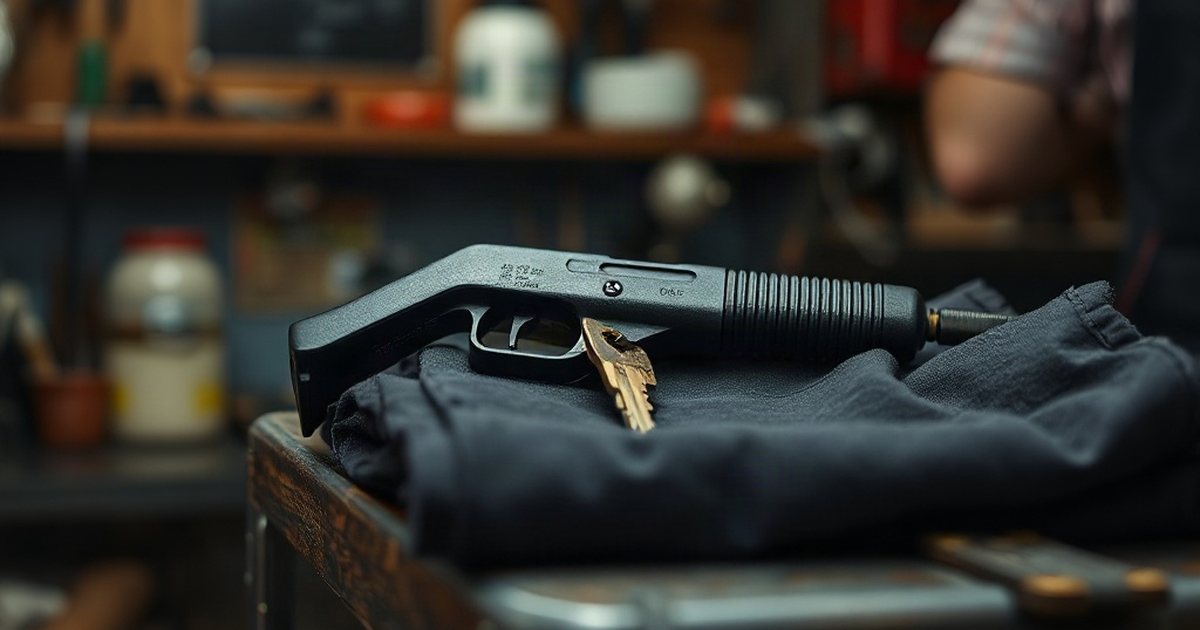
SDCL 23-7-46 covers handing over a firearm or ammunition, and its trigger is the giver’s belief about the purpose. No person may sell, transfer, give, loan, furnish, or deliver a firearm or firearm ammunition to any person under the age of eighteen years if such person knows or reasonably believes that the minor recipient intended, at the time of transfer, to use it in the commission or attempted commission of a crime of violence. [2]
That is a different structure from a storage law. South Dakota’s section does not ask whether the firearm was locked up. It asks what the giver knew or reasonably believed about the recipient’s intent at the moment of the transfer. [2]
The section also shuts off a line of defense: the affirmative defenses contained in chapter 23-7 do not apply to a prosecution under this section. [2]
Concealed pistols and minors in South Dakota
A third section addresses carrying. A person who is under the age of eighteen years of age may not carry a concealed pistol except in the presence of a parent or legal guardian. [3]
The wording differs from the pistol-possession section in one respect. Section 23-7-44 bars knowing possession by a person under eighteen unless an exception in 23-7-45 applies, while 23-7-71 asks whether a parent or legal guardian was present. [1] [3]
The section states no penalty of its own, and this guide does not assign it a penalty class. [3]
South Dakota penalties and court decisions
A violation of SDCL 23-7-44 is a Class 1 misdemeanor. [1] South Dakota’s misdemeanor schedule lists the Class 1 penalty as one year imprisonment in a county jail or two thousand dollars fine, or both. [7]
Those Class 1 figures come from the general misdemeanor schedule in 22-6-2; what sentence a court imposes in a particular case depends on the facts. [7]
A violation of SDCL 23-7-46 is a Class 5 felony. [2] The sentencing range for a Class 5 felony sits in a different section, which this guide does not cover.
The federal handgun rule and choosing storage in South Dakota
South Dakota’s pistol rules are about minors, and the one federal storage-related rule is 18 U.S.C. 922(z): a licensed dealer, manufacturer or importer cannot transfer a handgun to anyone without a license unless a secure gun storage or safety device comes with it. [8] It sets a duty for dealers, not for a South Dakota household.
Because the South Dakota sections turn on possession and transfer, they leave household storage to the household. Harvard’s Means Matter project states that access to firearms is a risk factor for suicide and that firearms used in youth suicide usually belong to a parent. [9]
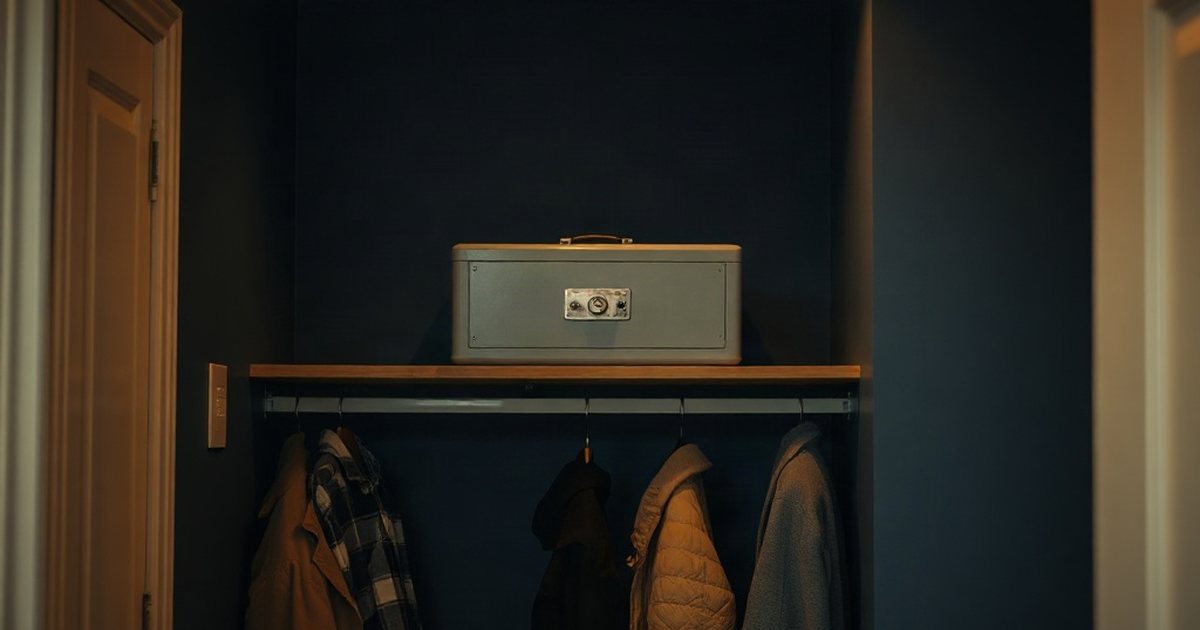
The American Academy of Pediatrics advises that children and teens must not be able to access the keys or combinations to lock boxes or gun safes. [10] The South Dakota written-consent exceptions cover specified settings and activities, which is a narrower situation than a teenager finding an unsecured pistol at home.
FAQ
Does South Dakota have a safe-storage law?
The South Dakota sections on minors and firearms regulate minors’ possession and transfers to minors, and none sets a storage requirement. South Dakota is also absent from RAND’s two lists of child-access states. [4]
At what age can a South Dakota minor possess a pistol?
SDCL 23-7-44 says no person under the age of eighteen years may knowingly possess a pistol, with exceptions in 23-7-45 that begin with prior written parental or guardian consent. [1] [5]
How does South Dakota treat a minor carrying a concealed pistol?
A person under the age of eighteen years may not carry a concealed pistol except in the presence of a parent or legal guardian. [3]
What is the penalty class for giving a minor a firearm in South Dakota?
Under SDCL 23-7-46, a violation is a Class 5 felony, and it applies where the giver knows or reasonably believes the minor intends to use the firearm in a crime of violence. [2]
This is general information, not legal advice. Read the current South Dakota Codified Laws or ask a South Dakota lawyer about your own situation. The absence of a storage statute does not mean an unlocked firearm is safe around children, and a lock does not replace supervision.
Sources
- South Dakota Codified Law 23-7-44 (possession of pistols by minors prohibited). South Dakota Legislature (Legislative Research Council codified-law API, official), accessed 2026-11-05
- South Dakota Codified Law 23-7-46 (prohibited transfer of firearms and ammunition to juveniles). South Dakota Legislature (Legislative Research Council codified-law API, official), accessed 2026-11-05
- South Dakota Codified Law 23-7-71 (minors and concealed pistols). South Dakota Legislature (Legislative Research Council codified-law API, official), accessed 2026-11-05
- The Effects of Child-Access Prevention Laws (state lists). RAND Corporation (Gun Policy in America); host blocks scripted fetches (403), page loads in a browser, accessed 2026-10-13
- South Dakota Codified Law 23-7-45 (possession of pistols by minors, exceptions). South Dakota Legislature (Legislative Research Council codified-law API, official), accessed 2026-11-05
- The Effects of Child-Access Prevention Laws. RAND Corporation (Gun Policy in America), accessed 2026-10-13
- South Dakota Codified Law 22-6-2 (misdemeanor classes and penalties). South Dakota Legislature (Legislative Research Council codified-law API, official), accessed 2026-11-05
- 18 U.S. Code 922(z) – Secure gun storage or safety device. Cornell Legal Information Institute (U.S. Code), accessed 2026-10-13
- Safe Storage (Means Matter). Harvard T.H. Chan School of Public Health, Means Matter, accessed 2026-10-13
- Handguns in the Home (HealthyChildren.org). American Academy of Pediatrics (HealthyChildren.org), accessed 2026-10-13
Fire, burglary and lock ratings are quoted as the manufacturer or testing lab states them, with the source on each page. Safe-storage and child-access laws vary by state and change; check your state's current statute. No safe or lock replaces supervision of children around firearms. We do not sell or link to firearms or ammunition. This is general information, not legal advice. As an Amazon Associate we earn from qualifying purchases.
