Illinois has two separate storage rules. The Safe Gun Storage Act, 430 ILCS 64/5, bars a firearm owner from storing or keeping a firearm in premises where the owner knows or reasonably should know that a minor, an at-risk person or a prohibited person is likely to gain access, unless the firearm is secured in a locked container. [1] The criminal rule is 720 ILCS 5/24-9. [2]
Below is what each Illinois provision says, whom it protects, the exceptions in the text, the penalties, and how Illinois fits into RAND’s review of state laws. The Illinois text is summarized as of November 2026, and later amendments are possible. This is general information, not legal advice.
- Illinois’s Safe Gun Storage Act, 430 ILCS 64/5, applies to a firearm owner who knows or reasonably should know that a minor, an at-risk person or a prohibited person is likely to gain access, and it points to a locked container. [1]
- Illinois sets civil penalties of up to $500, up to $1,000 if a minor, at-risk person or prohibited person obtains the firearm, and up to $10,000 if that person uses it to injure or kill or in connection with a crime. [3]
- Illinois’s criminal section, 720 ILCS 5/24-9, is a Class C misdemeanor with a fine of not less than $1,000 and applies where a minor under 18 causes death or great bodily harm. [2]
- The Safe Gun Storage Act is P.A. 104-31, effective 1-1-26. [1]
What the Illinois Safe Gun Storage Act says
The Act’s operative sentence is in 430 ILCS 64/5. In Illinois, a firearm owner shall not store or keep any firearm in any premises where the firearm owner knows or reasonably should know a minor without the lawful permission of the minor’s parent, guardian, or person having charge of the minor, an at-risk person, or a prohibited person is likely to gain access to the firearm. [1]
The Act then states what takes a firearm outside that prohibition: the firearm is secured in a locked container, properly engaged so as to render the firearm inaccessible or unusable to any person other than the owner or other lawfully authorized user. [1]
The Act is P.A. 104-31, effective 1-1-26, which makes the Act a 2026 law in Illinois. [1] The standard is knowledge-based: the question is what the owner knew or reasonably should have known about who could reach the firearm.
Who the Illinois Act covers
The Act protects three groups, and it defines each. A minor is a person under 18 years of age, although the Illinois definition does not include a member of the United States Armed Forces or the Illinois National Guard. [3]
A prohibited person is a person ineligible under federal or State law to possess a firearm. [3] That means the Act is not only about households with children: an adult barred from possessing firearms falls inside the same knowledge standard.
The third group is the at-risk person, defined in Illinois as a person who has made statements or exhibited behavior that indicates to a reasonable person there is a likelihood that the person is at risk of attempting suicide or causing physical harm to oneself or others. [3]
The Act also defines where it applies. In Illinois, premises includes any land, building, structure, vehicle, or place directly or indirectly under the control of the firearm owner. [3] A vehicle under the owner’s control is therefore within the Illinois definition.
Locked containers and when the Illinois Act does not apply
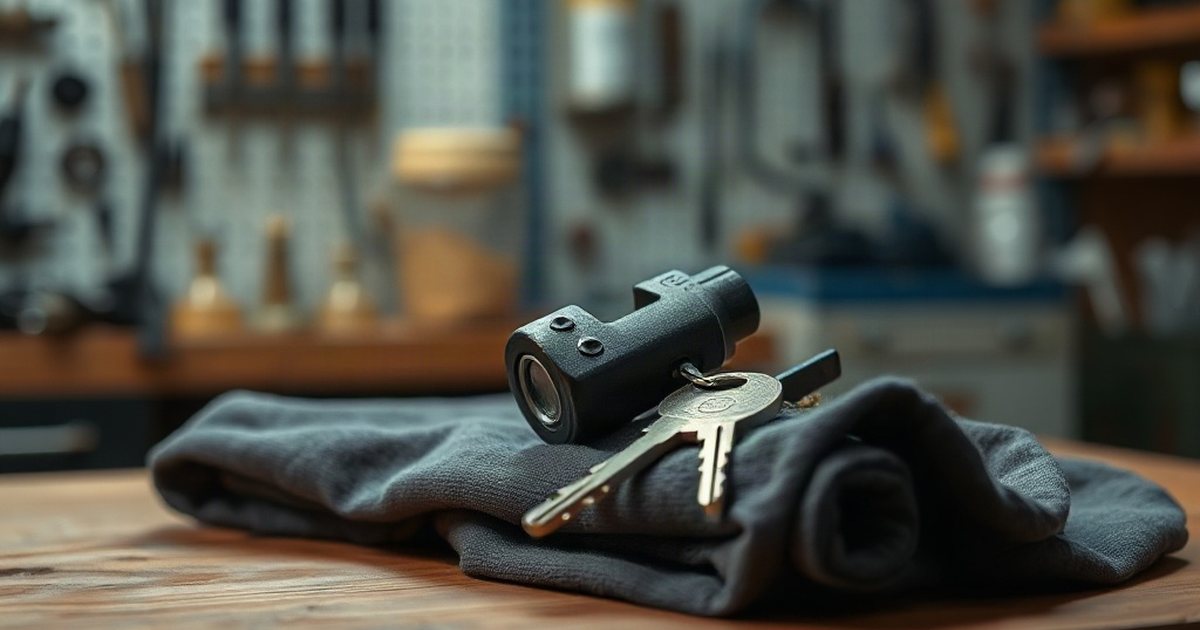
Section 5 names its own safe harbor: a locked container, properly engaged. The words properly engaged matter, because the Illinois text ties the lock to the result, which is that the firearm is inaccessible or unusable to any person other than the owner or other lawfully authorized user. [1]
Two further provisions in Section 5 take a situation outside the Act. First, if the firearm is carried by or under the control of the owner or other lawfully authorized user, then the firearm is deemed lawfully stored or kept. [1]
Second, the Act does not apply if the minor, an at-risk person, or a prohibited person gains access to a firearm and uses it in a lawful act of self-defense or defense of another. It also does not apply to a firearm obtained because of an unlawful entry of the premises, whether by the minor, at-risk person, prohibited person or another person. [1]
Penalties under the Illinois Safe Gun Storage Act
Illinois built the Act’s penalties in three steps, all civil. A violation of Section 5 is subject to a civil penalty not to exceed $500. If a minor, an at-risk person, or a prohibited person obtains the firearm, the civil penalty shall not exceed $1,000. [3]
The top step applies where the minor, at-risk person or prohibited person uses the firearm. If that person obtains a firearm and uses it to injure or cause the death of a person or uses it in connection with a crime, the civil penalty shall not exceed $10,000. [3]
Illinois also lets a court substitute other consequences. The court may order a person found in violation of Section 5 to perform community service or pay restitution in lieu of the civil penalties if good cause is shown. [3]
Enforcement is assigned by the text: an action to collect a civil penalty may be brought by the Attorney General or the State’s Attorney of the county in which the violation occurred. [3]
The Act also affects civil lawsuits. A violation is prima facie evidence of negligence per se in any civil proceeding if a minor, an at-risk person, or a prohibited person obtains a firearm and causes personal injury or the death of oneself or another or uses the firearm in the commission of a crime. [3]
Illinois’s criminal child-access rule: 720 ILCS 5/24-9
Illinois’s Criminal Code has a narrower storage provision titled Firearms; Child Protection. It makes it unlawful for any person to store or leave, within premises under his or her control, a firearm if the person knows or has reason to believe that a minor under the age of 18 years who does not have a Firearm Owners Identification Card is likely to gain access to the firearm without the lawful permission of the minor’s parent, guardian, or person having charge of the minor, and the minor causes death or great bodily harm with the firearm. [2]
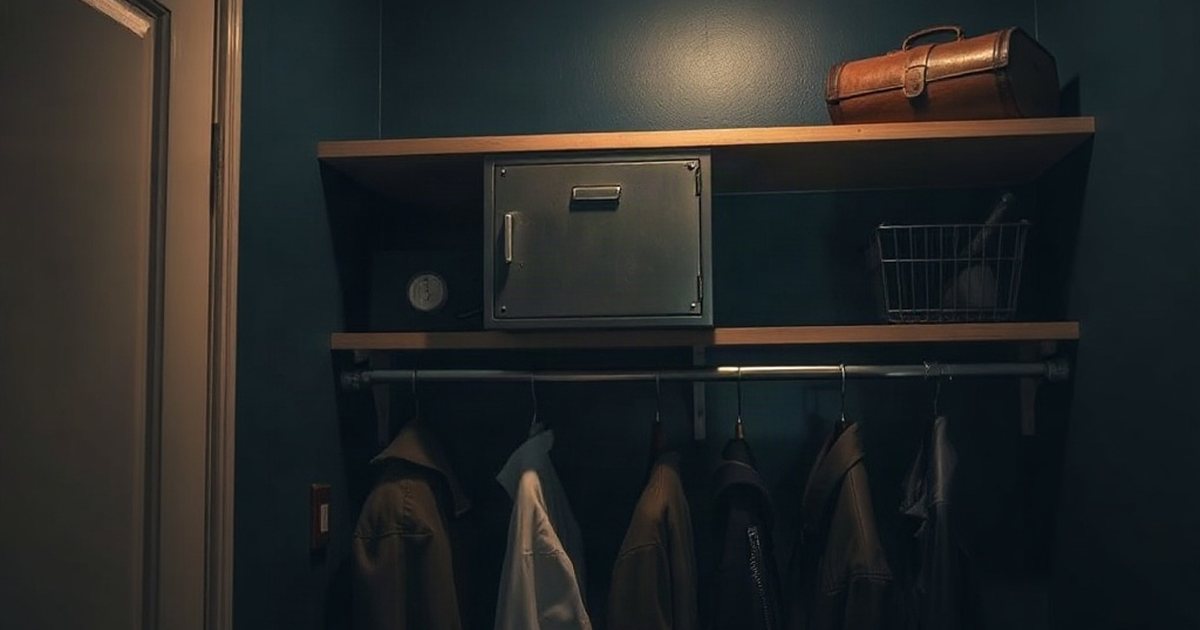
Compared with the Safe Gun Storage Act, the criminal section has an extra element. In Illinois it applies when the minor causes death or great bodily harm, and it speaks only of minors who lack a Firearm Owners Identification Card. [2]
The section’s storage language refers to a firearm secured by a device or mechanism, other than the firearm safety, designed to render a firearm temporarily inoperable, and to a firearm placed in a securely locked box or container. It also lists a minor who gains access and uses the firearm in a lawful act of self-defense or defense of another. [2]
A person who violates this section is guilty of a Class C misdemeanor and shall be fined not less than $1,000. A second or subsequent violation is a Class A misdemeanor. [2]
Illinois among state storage laws, and what it means for choosing storage
RAND’s review of child-access prevention laws, current as of January 1, 2025, counts twenty-six states and the District of Columbia with laws concerning negligent storage, and Illinois is on that list. [4] [5] RAND’s list predates the 2026 effective date of the Illinois Act.
The devices Illinois names are a locked container and, in the criminal section, a device or mechanism designed to render a firearm temporarily inoperable or a securely locked box or container. [1] [2] Whether a particular product fits those words is a question about the text, not about a brand.
A lock that meets a legal definition is one question; keeping a teenager out is another. The American Academy of Pediatrics says all guns in a home should be locked and unloaded, with ammunition locked separately, and that children and teens should not be able to reach the keys or combinations to lock boxes or gun safes. [6] The Act’s definitions of at-risk person and prohibited person are not tied to age, so control of the key or code matters for them too. [3]
Federal law adds a dealer-side rule that applies in Illinois as in every state: under 18 U.S.C. 922(z), a licensed dealer, manufacturer or importer may not transfer a handgun to an unlicensed person unless the transferee is provided with a secure gun storage or safety device. [7] It binds sellers, not owners.
FAQ
What is the Illinois Safe Gun Storage Act?
It is 430 ILCS 64, effective 1-1-26 under P.A. 104-31. Section 5 says a firearm owner shall not store or keep a firearm in premises where the owner knows or reasonably should know a minor, an at-risk person or a prohibited person is likely to gain access, unless the firearm is secured in a locked container. [1]
Who counts as a minor under the Illinois Act?
Illinois defines a minor as a person under 18 years of age, but the definition does not include a member of the United States Armed Forces or the Illinois National Guard. [3]
What are the penalties under the Illinois Act?
A violation of Section 5 is subject to a civil penalty not to exceed $500, or $1,000 if a minor, at-risk person or prohibited person obtains the firearm. If that person uses it to injure or cause the death of a person or in connection with a crime, the civil penalty shall not exceed $10,000. [3]
Does the Illinois Act apply to a firearm on the owner’s person?
The text says that if the firearm is carried by or under the control of the owner or other lawfully authorized user, then the firearm is deemed lawfully stored or kept. [1]
Is there a criminal child-access law in Illinois?
Yes. 720 ILCS 5/24-9 makes it a Class C misdemeanor, with a fine of not less than $1,000, to store or leave a firearm where a minor under 18 without a Firearm Owners Identification Card is likely to gain access and the minor causes death or great bodily harm with it. A second or subsequent violation is a Class A misdemeanor. [2]
This is general information, not legal advice. Read the current text of 430 ILCS 64 and 720 ILCS 5/24-9 or ask an Illinois lawyer about your own situation. Even a lock that meets the statutory wording does not take the place of supervision.
Sources
- 430 ILCS 64/5 – Storage of firearms (Safe Gun Storage Act). Illinois General Assembly (official ILCS text; script fetches fail SSL, verified in a browser), accessed 2026-11-05
- 720 ILCS 5/24-9 Firearms; Child Protection (full text). Illinois General Assembly, accessed 2026-10-13
- 430 ILCS 64/10 – Penalties; violations (Safe Gun Storage Act). Illinois General Assembly (official ILCS text; script fetches fail SSL, verified in a browser), accessed 2026-11-05
- The Effects of Child-Access Prevention Laws. RAND Corporation (Gun Policy in America), accessed 2026-10-13
- The Effects of Child-Access Prevention Laws (state lists). RAND Corporation (Gun Policy in America); host blocks scripted fetches (403), page loads in a browser, accessed 2026-10-13
- Handguns in the Home (HealthyChildren.org). American Academy of Pediatrics (HealthyChildren.org), accessed 2026-10-13
- 18 U.S.C. 922(z) Secure gun storage or safety device (full text of paragraphs 1 and 3). Legal Information Institute, Cornell Law School (U.S. Code), accessed 2026-10-13
Fire, burglary and lock ratings are quoted as the manufacturer or testing lab states them, with the source on each page. Safe-storage and child-access laws vary by state and change; check your state's current statute. No safe or lock replaces supervision of children around firearms. We do not sell or link to firearms or ammunition. This is general information, not legal advice. As an Amazon Associate we earn from qualifying purchases.
